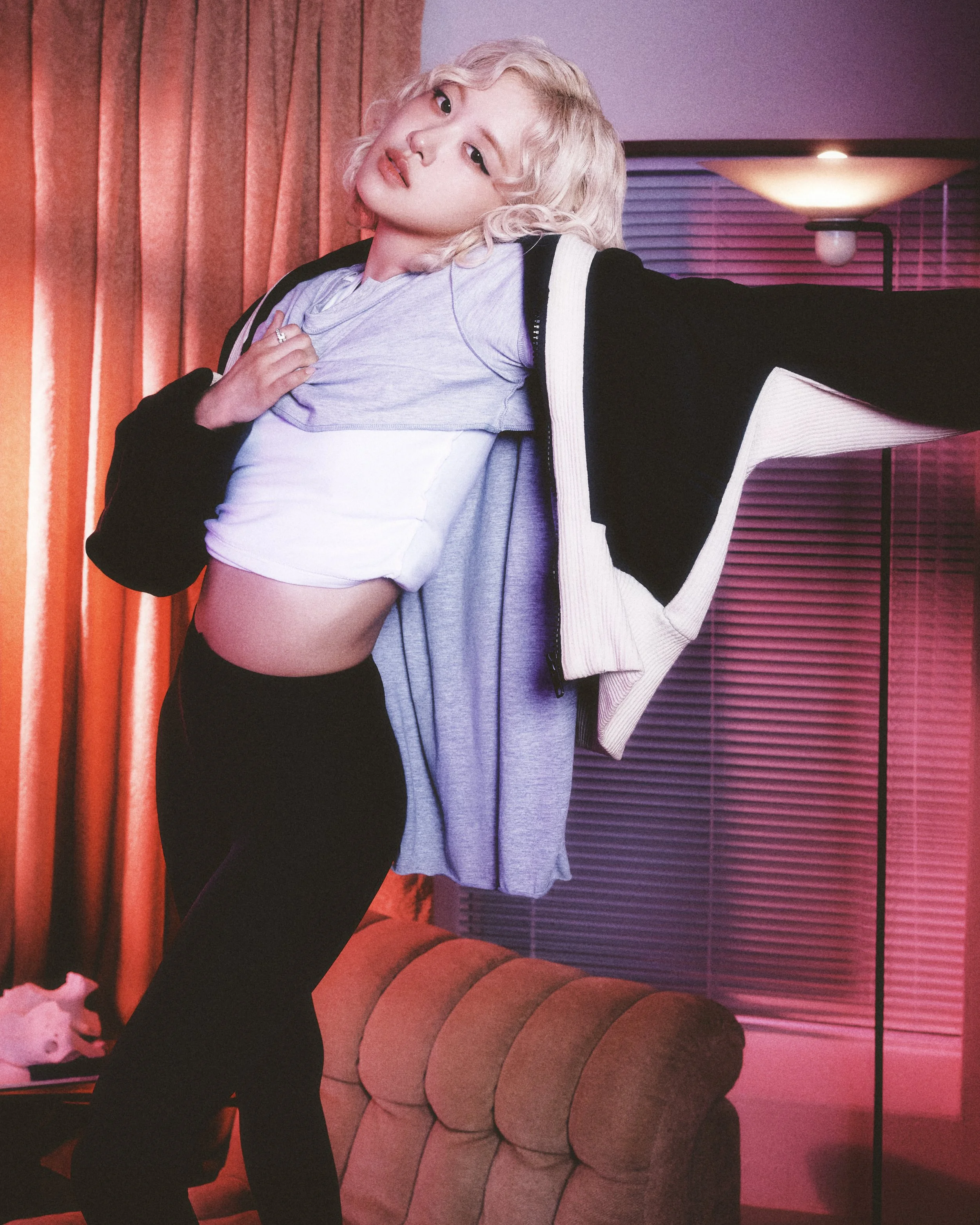
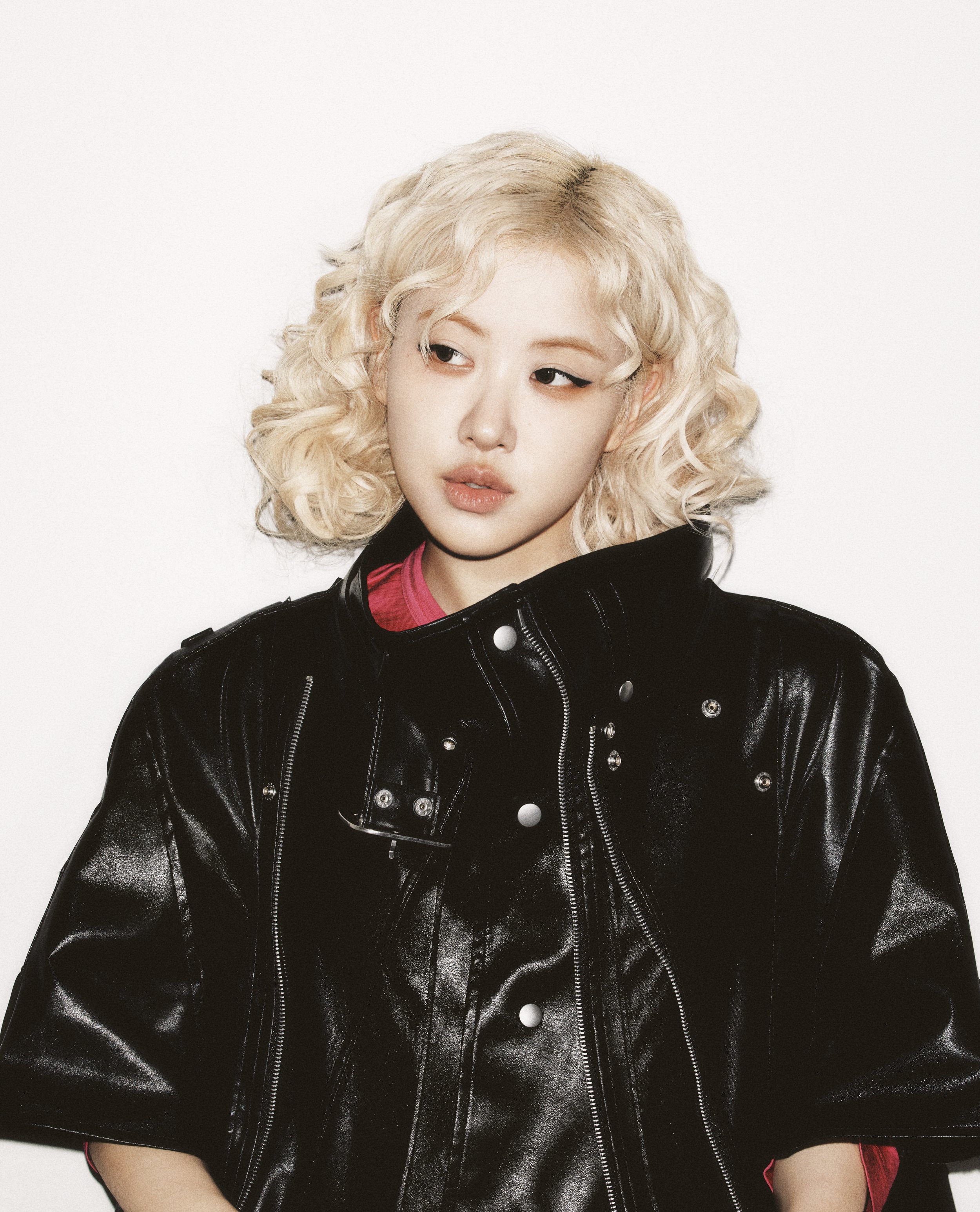
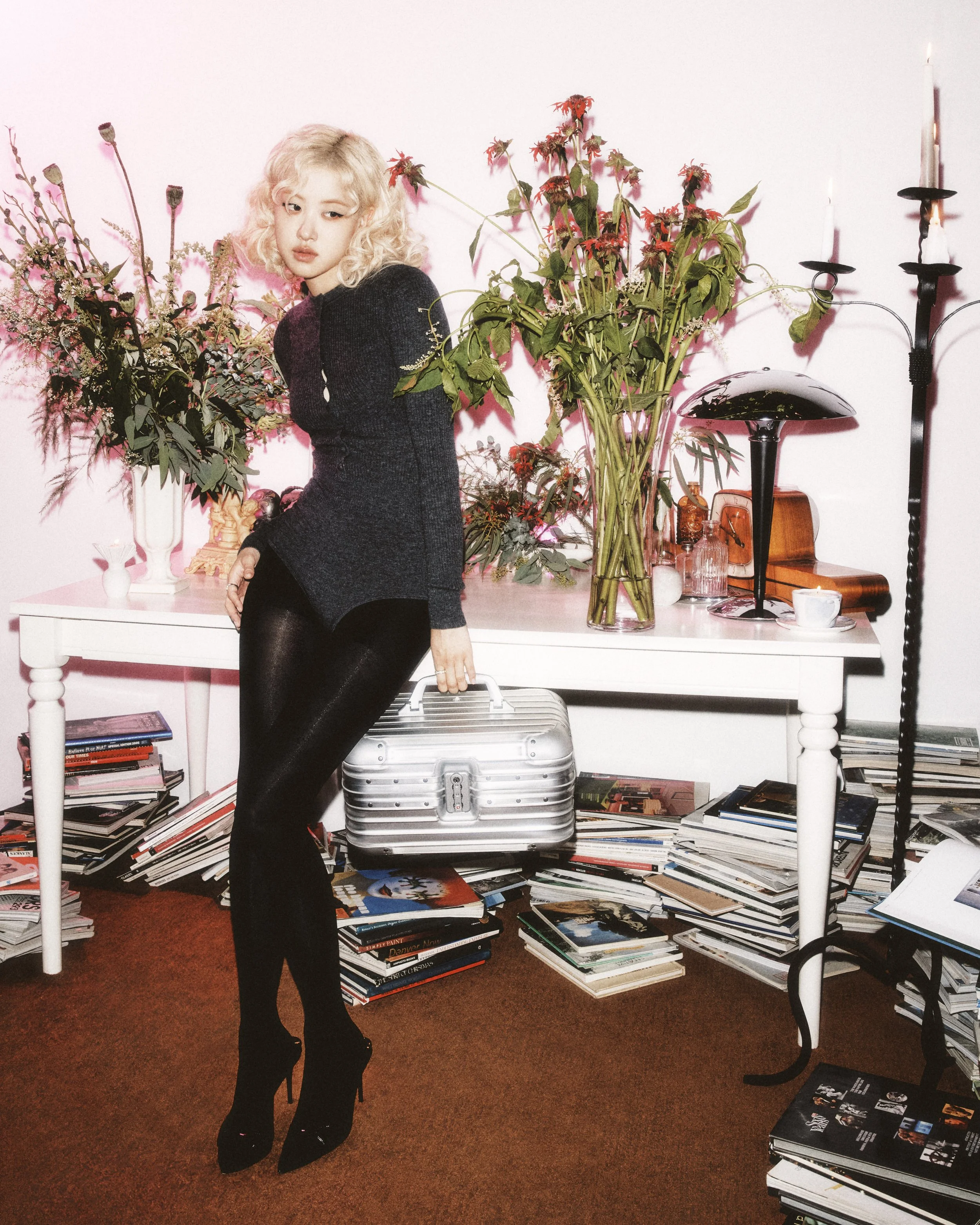
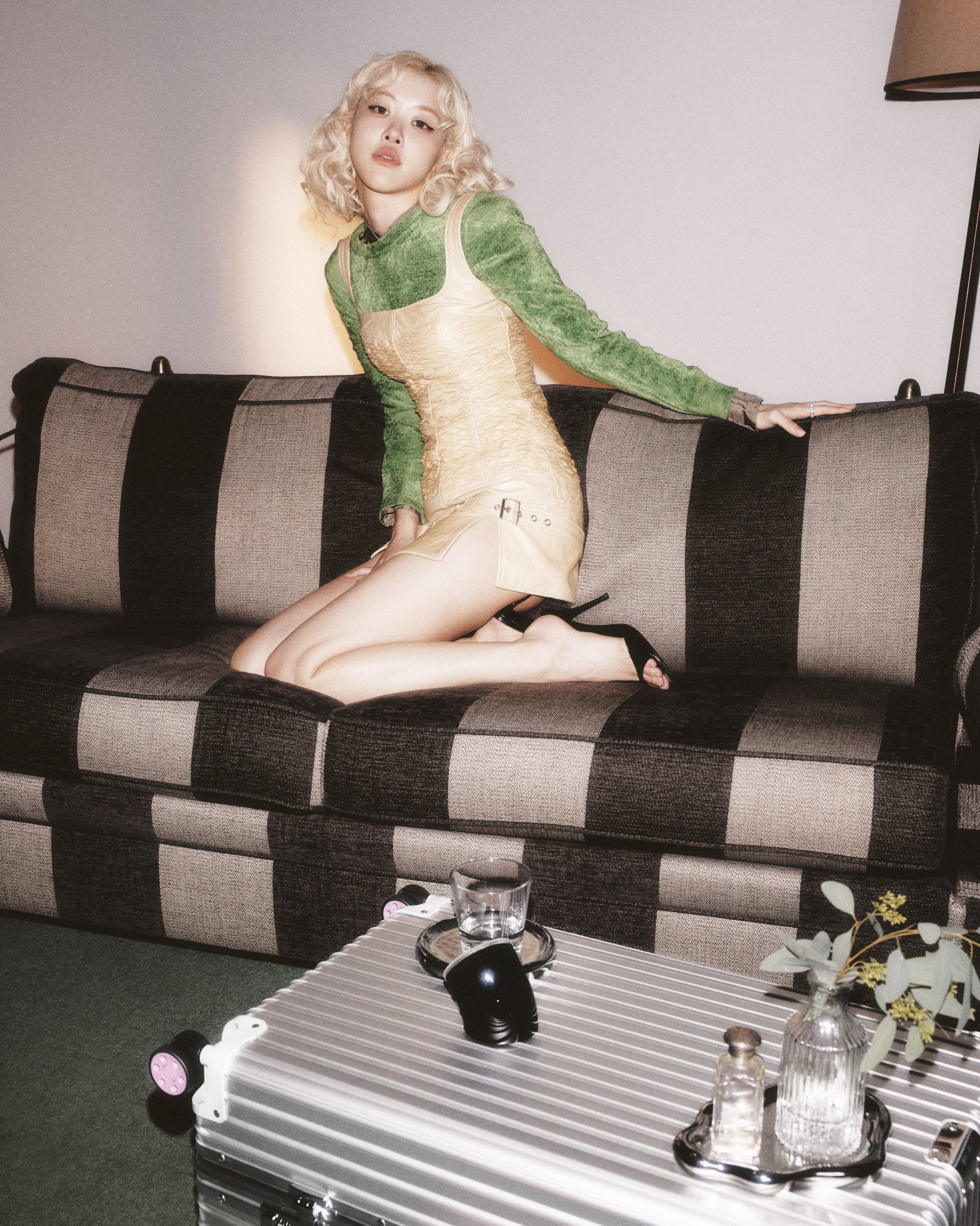
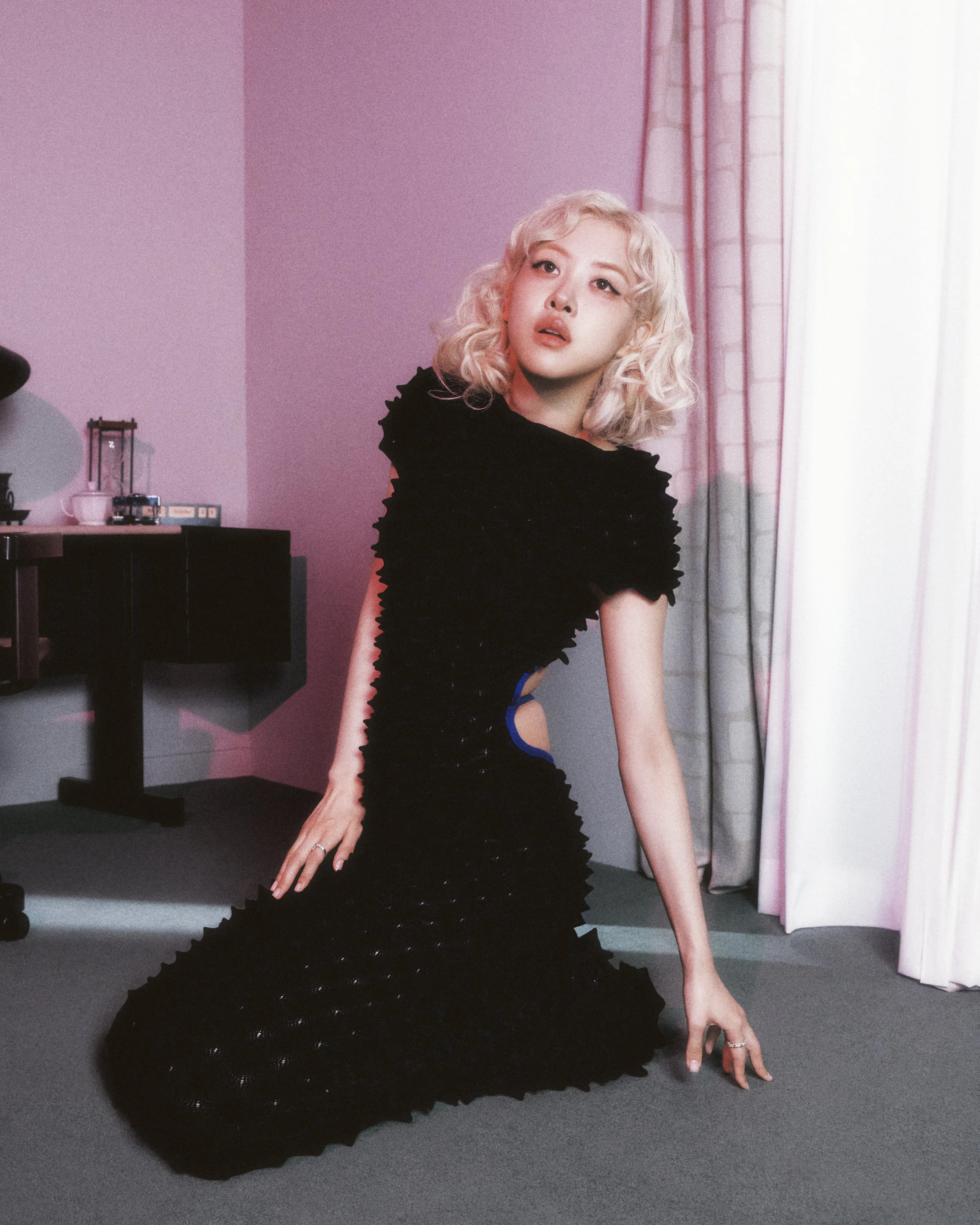
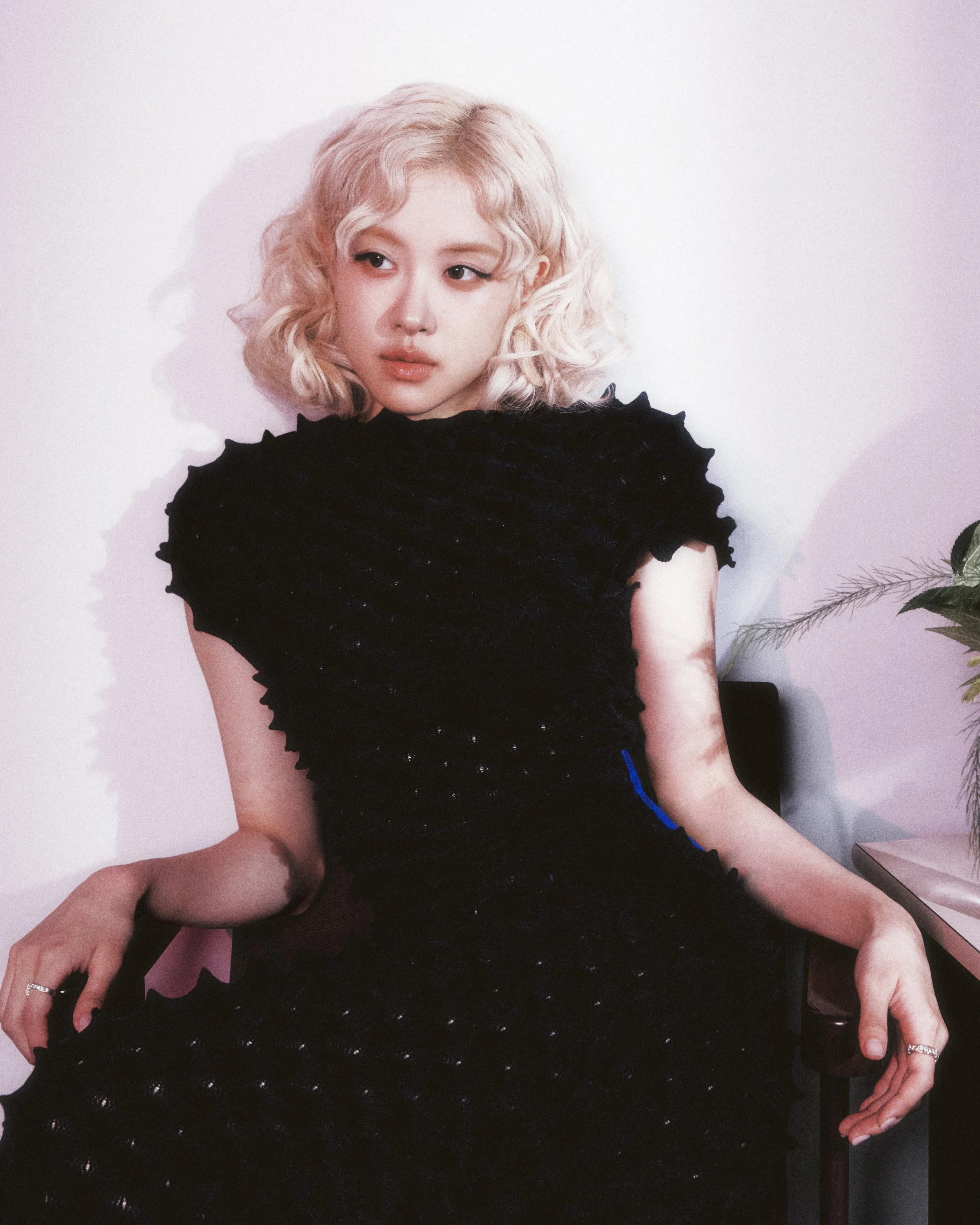
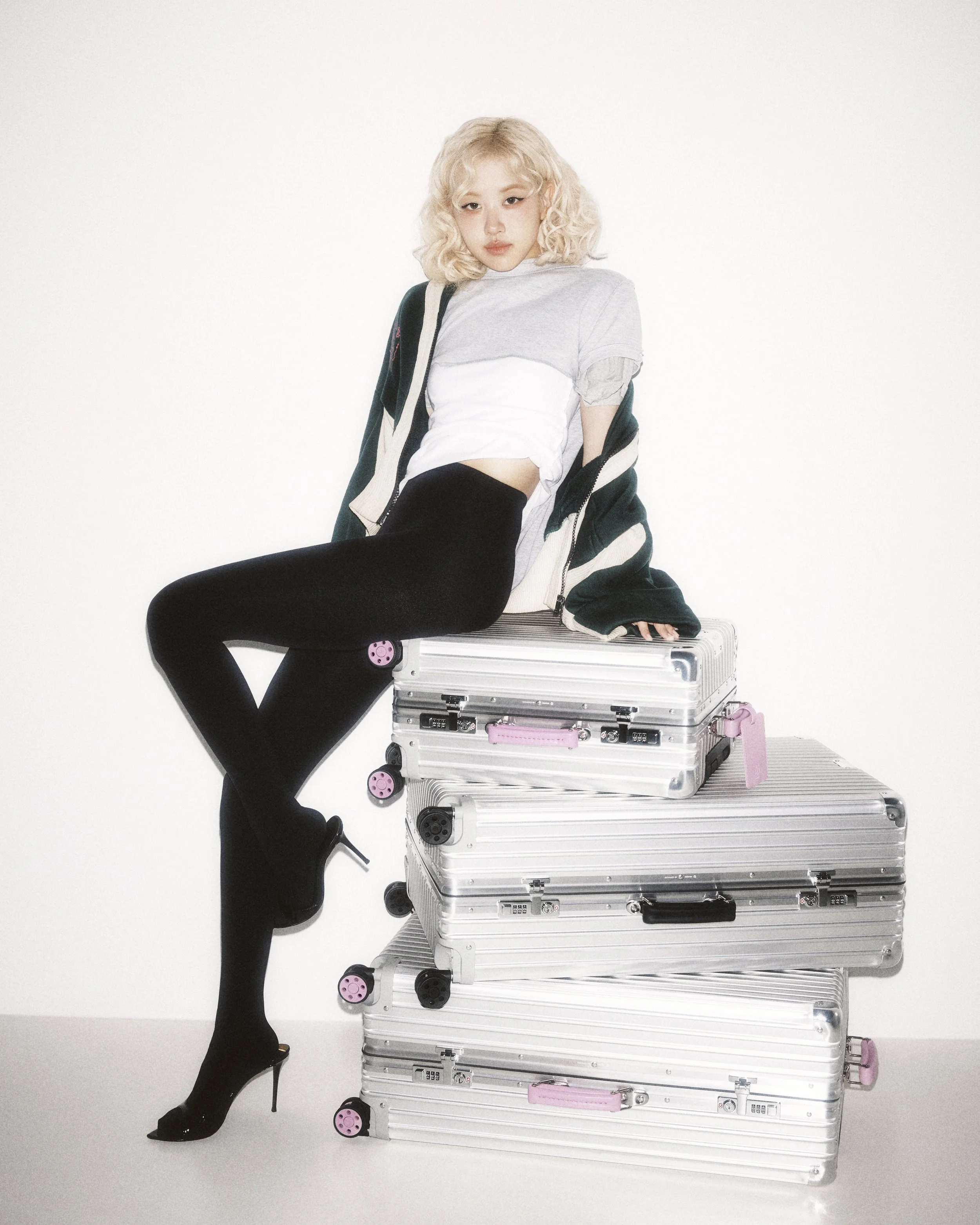
Rosé interviewed by Bryan Yambao for Perfect Issue 9.
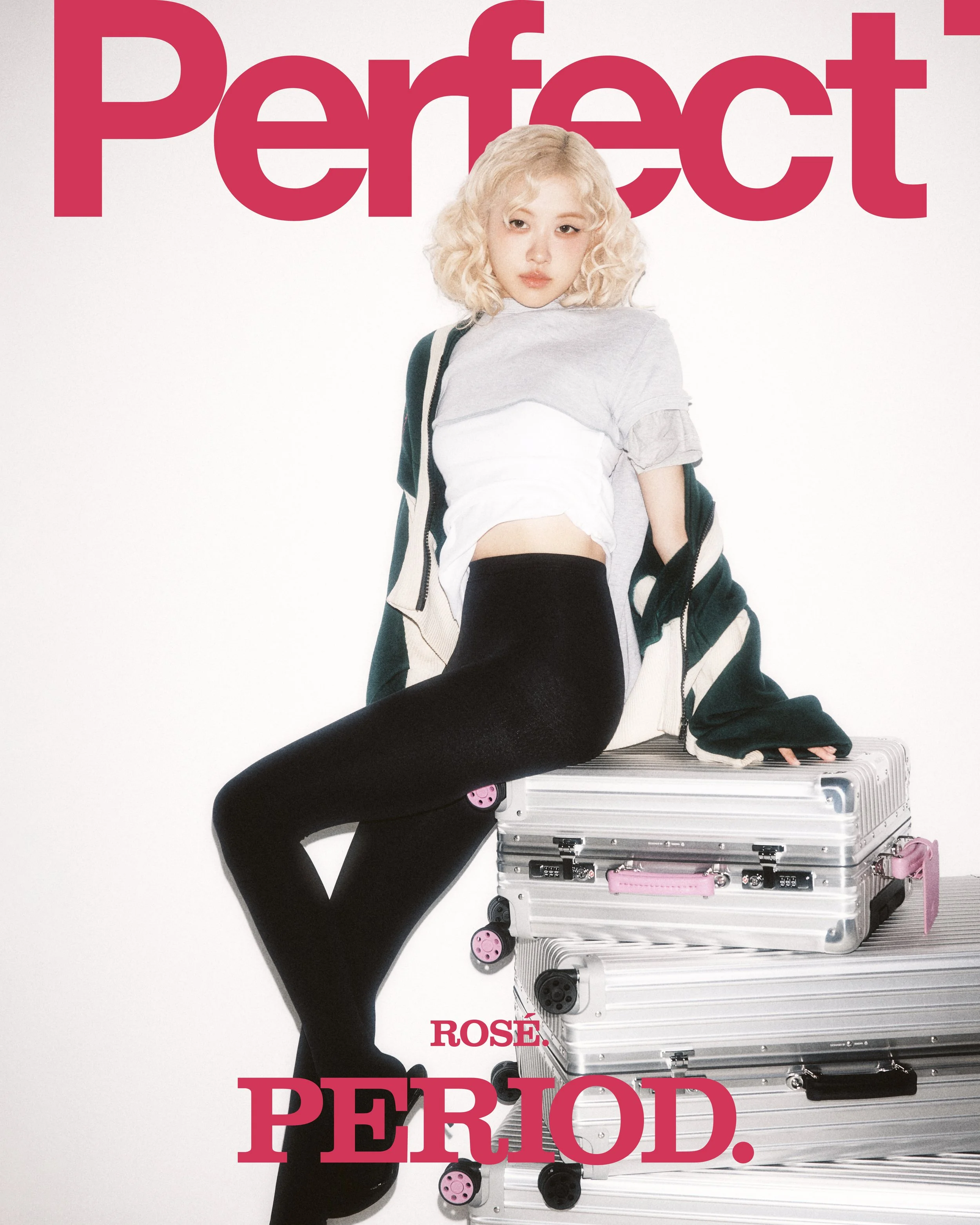
Rosé for Perfect Issue 9
Photographer: Songyi Yoon
Fashion Editor: Oliver Volquardson
Interview: Bryan Yambao
Rosé has always carried light. On stage, she burns – precise, magnetic, unforgettable. But the real plot twist this past year isn’t just how brightly she shines – it’s that the light now feels completely hers.
As Blackpink’s lead vocalist, Roseanne Park didn’t just take centre stage – she owned it. For the past decade, she’s been front and centre of the biggest girl group on earth, shattering records and reshaping the global pop playbook. What’s even wilder is how, during the pandemic years – especially around 2020 and 2021 – Blackpink didn’t just rise, they detonated. Songs like How ‘How You Like That’, ‘Kill This Love’ and ‘Ddu-Du Ddu-Du’ became global anthems, their hooks echoing on TikTok, their visuals dominating YouTube, and their Netflix doc Light Up the Sky introducing them to audiences who’d never even listened to K-pop. Suddenly, fans from Mexico City to Paris, Atlanta to Riyadh were singing the same lyrics, learning the same choreo, and living the same Blackpink era. That kind of influence? It’s cultural tectonics. And Rosé is right at the epicentre.
As a Filipino millennial raised on TLC and the Spice Girls, Asian girl groups were never part of the equation when I was growing up. My music idols came with British accents or made cameos on MTV’s Total Request Live. So to witness an artist like Rosé smashing Billboard charts and headlining stadiums – and doing it all with such clarity and intent? It’s surreal. It’s emotional. It’s overdue.
In December 2024, she dropped Rosie, her first full-length solo album—written and co-produced entirely by her. It debuted at number three on the Billboard 200, making her the highest-charting Korean female soloist in US history, and set a streaming record in its first week. The standout track, ‘Apt.’, her punchy, genre-blurring duet with Bruno Mars, lit up airwaves around the world. But more than a commercial win, Rosie was a reset – raw, self-assured and deeply her. This wasn’t just Rosé the performer; it was Rosé the author.
We connected over Zoom at exactly 5:37am Manila time – me in a hotel room, still in last night’s clothes, no sleep, eyes heavy and teetering on the edge of delirium; Rosé in Los Angeles, fresh off two sold-out shows at SoFi Stadium in Inglewood, kicking off the US leg of Blackpink’s Deadline world tour following their opening run in Korea. In less than 24 hours, she’d be performing again at Soldier Field in Chicago. But in that weird, suspended hour between continents, it was just the two of us: two bleached-blonde Asians, across time zones, getting real. What began as a typical interview quickly shifted into something more vulnerable: a candid conversation about identity, pressure and what it means to just be – especially when the world won’t stop watching.
Rosé cried. I did too.
BB: I’ve only been to one Blackpink concert – three year ago, in LA – and it was wild. The energy, the fans, the pink hammers, the lightsticks, the chanting… a full sensory overload. I’ve always wondered: when you’re rising onto that stage and tens of thousands of people are already losing it, what’s going through your head in that exact moment? I want to put myself in your shoes.
R: At the beginning, there’s always a mix of emotions. Right before you get into position to come up on the lift, you start thinking about everything you want to improve – what you want to do better, what to be cautious of from the last show, and the moments you really want to really nail.
But as the lift starts moving, you have to snap into the present. Once you’re on stage – before you even start looking at the crowd – you have to be present in the moment. The start of the show is actually kind of funny. It’s very ‘me, myself and I’ up there. It’s definitely a bit of a diva-ish moment. Sometimes you have to fake it till you make it, as they say—but really, you’ve just got to be the girl that you want to be. For me, the opening is where I channel the most energy. It’s the first introduction and my way of saying hello to the audience – and to the entire night ahead.
I’ve seen so many videos—rehearsals, you singing live, all the movement and dancing. Your concerts are crazy! I honestly don’t know how you do it.
It does get a bit crazy, I’m not gonna say it doesn’t. It definitely is very stimulating and so much is happening at the same time. LA is the second city on our tour and we’ve done four shows so far. It’s going to gradually get easier as we experience it and it’s a process for us too, because there’s so much going on, so much to control – and yeah, you just gotta take it all in.
How is the Deadline tour different from Born Pink?
The scale is much bigger this time. The production is more intense and elaborate. We were nervous during preparations but now we’re getting great feedback, which makes me so happy. We obviously have new music. Coming back from our solo projects, we have so much more to offer. We all brought something new to the table and it feels like a big celebration of all the hard work we’ve done over the years. Things are looking really exciting!
Your solo album, Rosie, felt deeply personal and honest. What did you discover about yourself while making it?
I don’t think I discovered something new – I think I just gave myself permission to be who I’ve always been. It was more about accepting a very meaningful period of my life, diving deeper into it, and really owning the person that I am; being able to accept myself as I am and embrace all the hardships I go through – just like any normal girl in her twenties. It was more an acceptance phase than a journey of self-discovery.
Do you see your music more as a personal journal or as a public message?
A little bit of both. It definitely starts as a personal journal – it’s very truthful. But once you share it, it naturally becomes a message too. It’s like saying, ‘This is my truth. This is who I am. These stories are mine. This is my voice.’
You’ve often said that you want your music to be honest. How do you define honesty in an industry where image is so tightly controlled?
Over the past year, I really had to sit down and reflect on what music means to me. Music is a gift – it’s something positive for human beings. It should be healing. That’s where honesty comes in, and it comes from personal experience. A song like ‘Number One Girl’ came out of many sleepless nights of self-doubt – something I went through, something we all go through.
How do you maintain any sense of normalcy amid all the global attention?
Somebody just asked me this morning what do I do to feel normal, and I said I’m still figuring it out. It’s a bit crazy but I just noticed that if I talk to people that know me off the stage, like away from work – friends or people that I know – when I speak with them, I feel human. I’m back to being me.
What’s more challenging: being misunderstood or being too exposed?
They’re both hard. Being misunderstood is one of the worst feelings. But being extremely exposed isn’t easy either. I honestly can’t choose one – they both challenge you in different ways.
How did co-writing and co-producing Rosie change how you see yourself as an artist?
It was definitely empowering. It made me more excited about music – way more excited about making music and about my job. It lifted my self-esteem. I planted new dreams in my life. I built a whole new relationship with music through that process, and I’m really grateful for the opportunity.
What ultimately compelled you all to come back together as a group? One could’ve easily walked away and said, ‘That’s it – we’re done, we’re closing this incredible chapter and focusing on solo careers.’ But the sheer dedication it takes to return as a four-piece – it’s a massive undertaking.
I think we all have so much respect for what we’ve built over so many years – it’s our life, it’s our whole life. And it just makes sense that we want to do more, give more and show our fans more. It wouldn’t make sense not to do it now. We want to be here. We want to be present. We want to celebrate each other and everything we’ve accomplished over the past 10 years.
If you met your 16-year-old self today, what would you say to her?
What would I tell her, or what would I feel?
Both – what would you tell her, and what would you feel?
If I met her, I think I’d be impressed. Like, wow, you worked really hard. Wow. You became a really hardworking person.
I remember watching K-pop videos in Australia on my friend’s phone – we were both Asian – and we’d hide in a corner to play them, learning all the dances and stuff. But we weren’t accepted. That culture wasn’t accepted in my high school. K-pop wasn’t big, and the culture around it wasn’t as mainstream as it is now. People didn’t accept it back then. I don’t enjoy saying this, but maybe I was embarrassed – because we felt judged. Judged for how we looked, how we acted, how we presented ourselves.
I think if my 16-year-old self were to see me now… I think I’m going to cry.
It’s OK.
I’m having a really emotional moment. I’m sorry. I’m so sorry. I’m sorry. Wow. I think… I think I’d thank myself, just for being able to listen to the music I love in front of people.
No, I’m sorry. It’s making me cry too.
I did grow up feeling a little different. And if I’ve helped people – hopefully more people – feel normal and accepted, then that’s great. I really hadn’t thought about it that way… but you’ve made me feel really proud of myself today.
And you should be—you really have every reason to be proud of yourself!
Thank you.
Did you have any idea, when you began training for your pop career 12 years ago, that you’d achieve everything you’ve achieved today?
Not at all! Even flying to South Korea, I was worried. I was so scared about whether I’d be accepted by the Korean community, since I hadn’t grown up in Korea. I was anxious about the culture. And then, coming out as Blackpink, there was that whole fear of being accepted in the music world.
And here we are. I hope you’re proud of how far you’ve come.
I am. After your good question, your amazing question, my 16-year-old self is thanking and celebrating. I didn’t even notice that, so thank you for that question.
If you weren’t Rosé the singer and star, what do you think you’d be doing now?
I know myself. I would have done something (chuckles). I’d pick up a camera – my parents bought a really cool camera – and take it around and do photoshoots with my friends. I think I only even picked up the guitar because I wanted to show off – but yeah, I would have done something at least.
You travel a lot – what’s one item you always pack, no matter the destination?
It’s funny because I barely swim, but I always have to take my swimwear. It’s so weird. Every time I don’t bring it, there’s suddenly a reason I need it. And every time I do bring it, I don’t even use it. But now I’ve learned: I always have to take it.
Do you have any airport rituals?
I just get there on time and get on the plane. Once I’m seated, I set everything up, lay out all my entertainment stuff, and then I sleep through the whole flight. I barely even touch anything. I sleep really well on planes.
You do? The more I fly, the harder I find it to sleep. The noise drives me mad!
I think it’s like a lullaby to me. As soon as I get on, I’m like the sleepiest person. I always get a good six or seven hours of sleep. Even more!
When you’re touring, how do you make your hotel room feel like home?
I like to unpack. Lately, I’ve been bringing a framed picture of me and Hank [her dog]. I also bring my favourite pyjamas. That’s what I always do.
You travel a lot for work and the Deadline tour runs until January 2026. Do you actually get to have vacations?
You just reminded me – I didn’t even realise the tour runs until January next year! I was getting my nails done this morning, and [the nail technician] said, ‘Rosie, do you think you’ll learn how to vacay? I’m manifesting that for you.’ I’m just not good at taking vacations – I’m really bad at it, I don’t know how to do it properly. I’m kind of scared, because I feel like I’ll never figure it out. But maybe this whole vacationing thing will happen. That’s part of adulthood – learning how to vacay properly.