“What if I built my own universe? What would that look like?” BY.ALEXANDER is finding out.
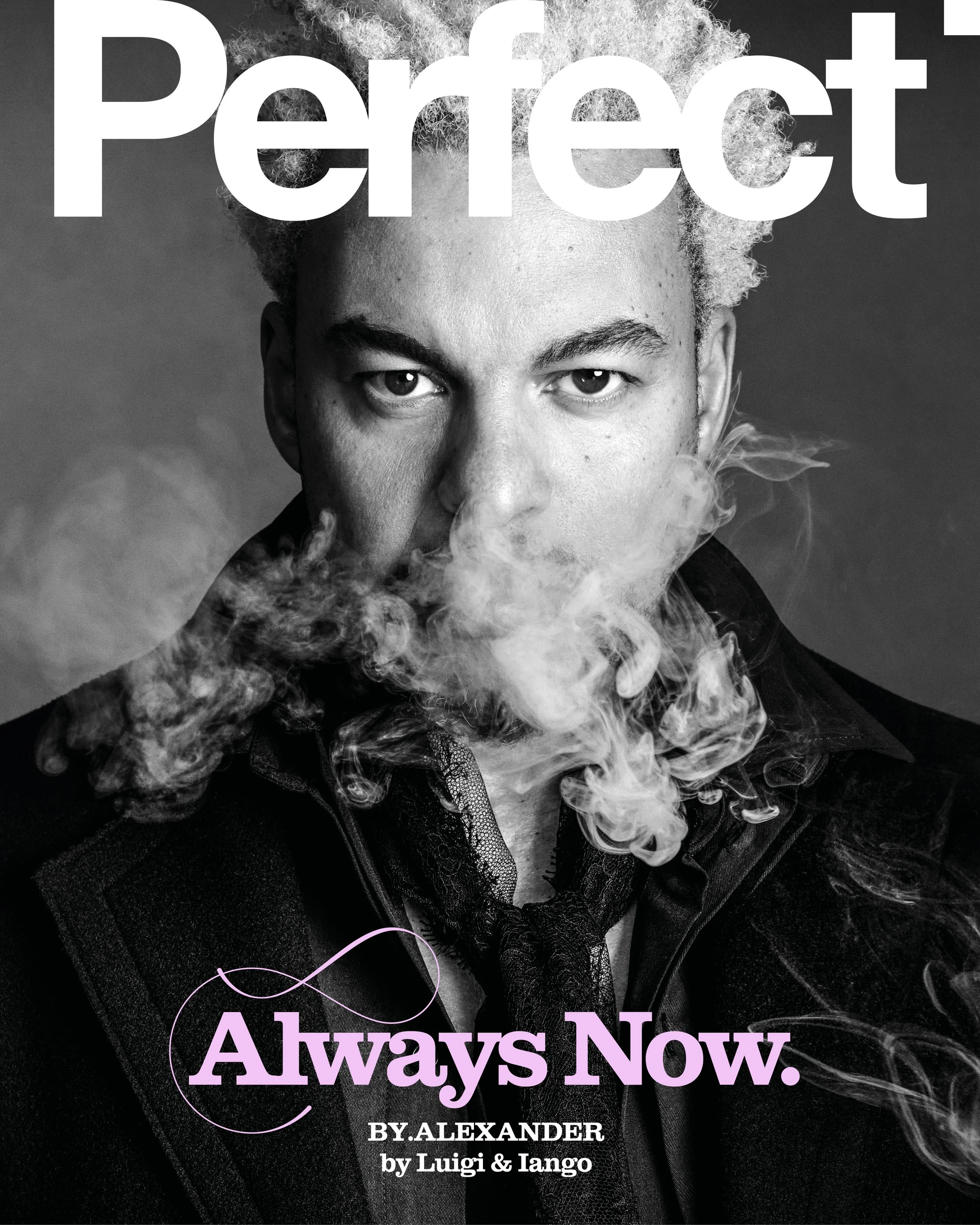
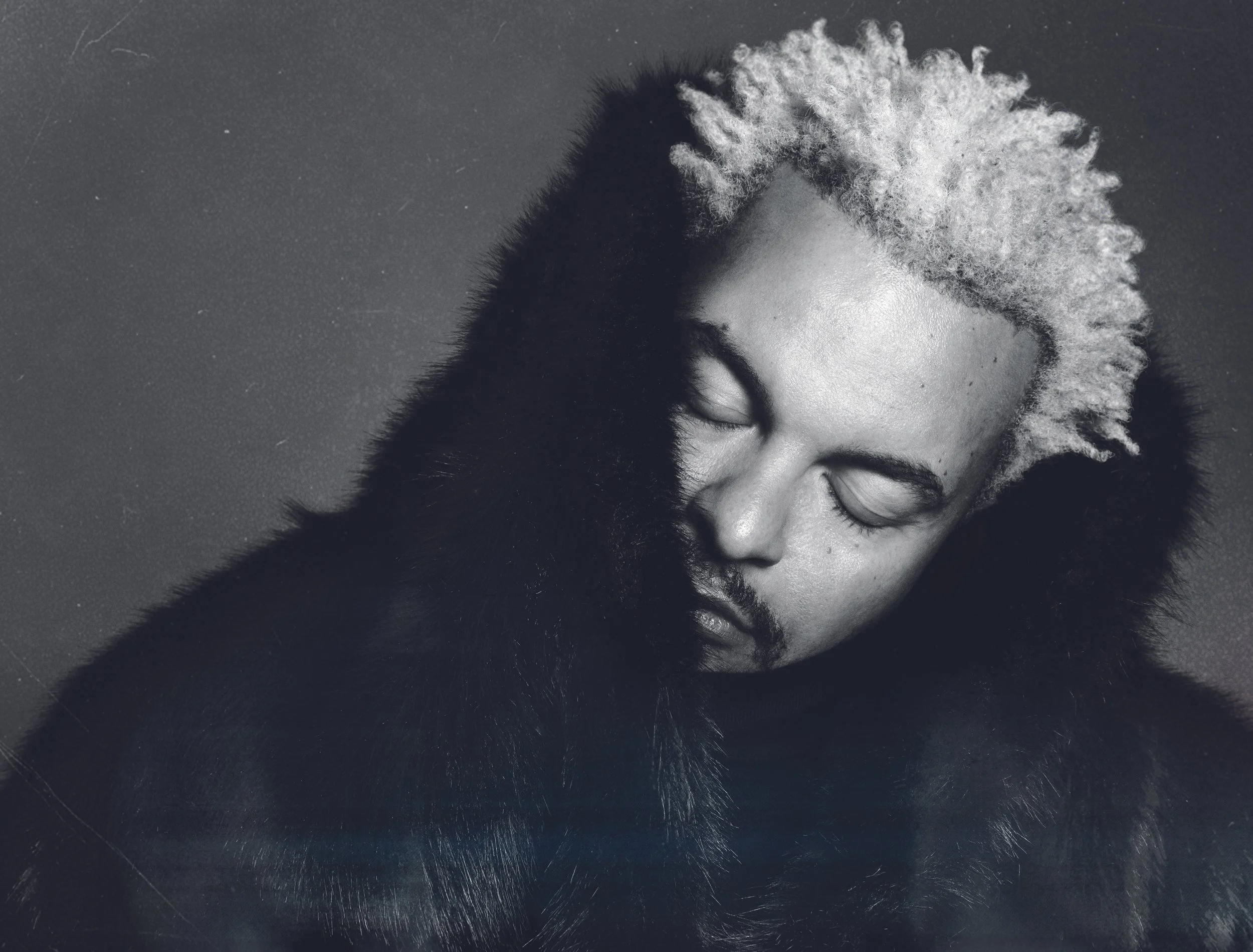
BY.ALEXANDER for Perfect Issue 10
Photographers: Luigi & Iango
Fashion Editor: Max Weinstein
Interview: Paul Flynn
Sometime in 2022, the polymath by.Alexander began taking stock of his incredible professional life. By.Alexander is the brand title driven by all creative forces connected to Alexander Junior Grant, a sharp, enormously engaging and funny man. Alexander is the kind of quick-witted company who turns dreams into reality while barely being able to unpick the seams. He is, furthermore, a kind of sonic wizard.
Alexander grew up on a modest council estate in Wood Green, North London, before proceeding to become one of the unequivocal powerhouses of the global music industry. His industry reign, from the end of the 2000s and throughout the 2010s, included him becoming the connecting tissue between Kendrick Lamar and Imagine Dragons, an early discovery of Rihanna’s and a certified multi-platinum hitmaker of style, originality, taste and distinction. What would happen, he wondered, if that wizardry extended beyond his natural wheelhouse? What if the thrill, dazzle and true rock and roll spirit of music was no longer quite enough? What if it was the conduit to something wider, bigger and altogether more bold?
All this ruminating was inspired by his father’s death. ‘He was the first significant person to pass for me,’ says Alexander, sitting in his gorgeous apartment in SoHo, New York. SoHo is a place of deep spiritual significance for Grant. He first arrived in New York as a hopeful producer with a pocketful of beats in 2009. Now he wants to reinvigorate the neighbourhood, agitating it out of its corporate stasis. Alexander was named after his father (hence the ‘Junior’). ‘My dad was a sweet guy, came over from Jamaica when he was 16,’ he explains. ‘But he was in survival mode his whole life, pretty much.’ The death of Alexander Senior hit Alexander Junior hard. ‘I just wasn’t ready for it,’ he says.
Taking a beat from his breakneck-paced life in the music industry meant reassessing everything that had gone before. His rags-to-riches tale could be used by elected officials to exemplify social mobility, or the real meaning of acquiring casual cultural capital. ‘My career has moved from making singles to making albums to making careers,’ he explains, ‘first for bands, then for artists, then executives, producers, songwriters. I’ve had a publishing company, a record label, a creative agency.’ At one point, he ran the most profitable record label under the Universal umbrella. ‘I’ve been fostering careers throughout all of this,’ he adds. He began to ask the bigger questions that face us when existential crises loom. ‘How do we affect everything around us? Not just the sound, but the taste, the smell, the environment. That’s where I got to.’
An imaginary world began appearing to him. A physical space, which would defy the cataclysmic, fractious tribalism underpinning online relationships, bolstering what many are now identifying as ‘digital rebellion’. ‘I wanted to build this physical space one community member at a time,’ he says, with all the enthusiasm of an unusually cool evangelical preacher.
He moved to New York from his home in Los Angeles. ‘At the time, LA was culturally vapid. Hollywood was dying.’ He wanted the new venture to include every aspect of living – not just what we listen to but what we wear when we do it, how we smell in the process. ‘If I’m going to do anything with fashion, it has to be New York. It can be harsh, but there is no better place to start something new.’
By the end of the year, he had acquired a prime piece of real estate, 66 Greene Street, the site of everything new bubbling up through his mind. A music venue, a fashion retail space, a secret sequestered Harajuku arcade, a recording studio that would double as party space. When he talks about 66 Greene, there is a kind of cultural zeal that envelops Alexander Grant: he morphs into by.Alexander. From 66 Greene, he is sending out a track list, updated weekly on Spotify to soundtrack life. In 66 Greene, he is building a fashion brand to dress the world the way he wants it to look. The reach of 66 Greene extends to a fashion magazine, incubating future stars, the photographers and stylists that capture them, the young writers that will adore them. At 66 Greene, he is distilling fragrance that will help embody the memories most closely and cleanly associated with his brand-new outlook. By.Alexander is building something more than sound, smell and vision: he is engendering atmosphere. At 44 years of age, he has found his homecoming, his graduation and his dream state in a handsome Manhattan walk-up. All by.Alexander.
‘I want to make all my decisions because I love and believe in something,’ he says. ‘I want to bring that idea of living back to this street. We all know what SoHo has become: it’s very corporate. Now is the time to start doing very non-corporate things here. The creatives are coming back to our little space to hang out.’
He looks utterly delighted at what has happened at and with the 66 Greene Street experiment. ‘The thing I’m really focused on is not about what is and is not cool. That’s not it. I’m interested in a mindset. I don’t care what gender you are, what age you are, what race you are or what background you come from. I’m just interested in people who are obsessed with creating things. I really want to help them find their obsession.’
The bringing to life of 66 Greene Street seems to have answered one of the fundamental questions that Alexander began asking himself in the wake of his father’s death:
‘What if I built my own universe? What would that look like?’
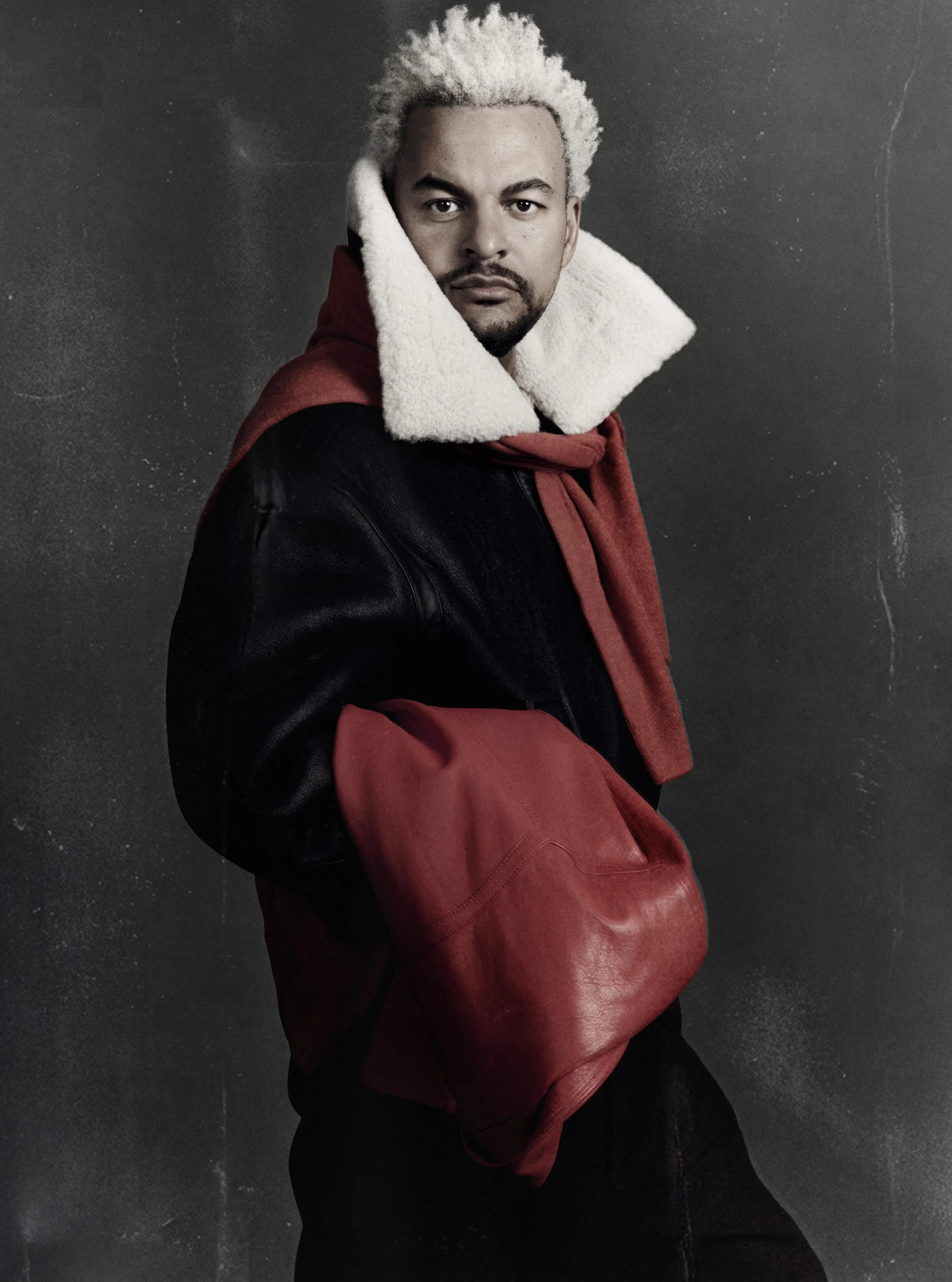
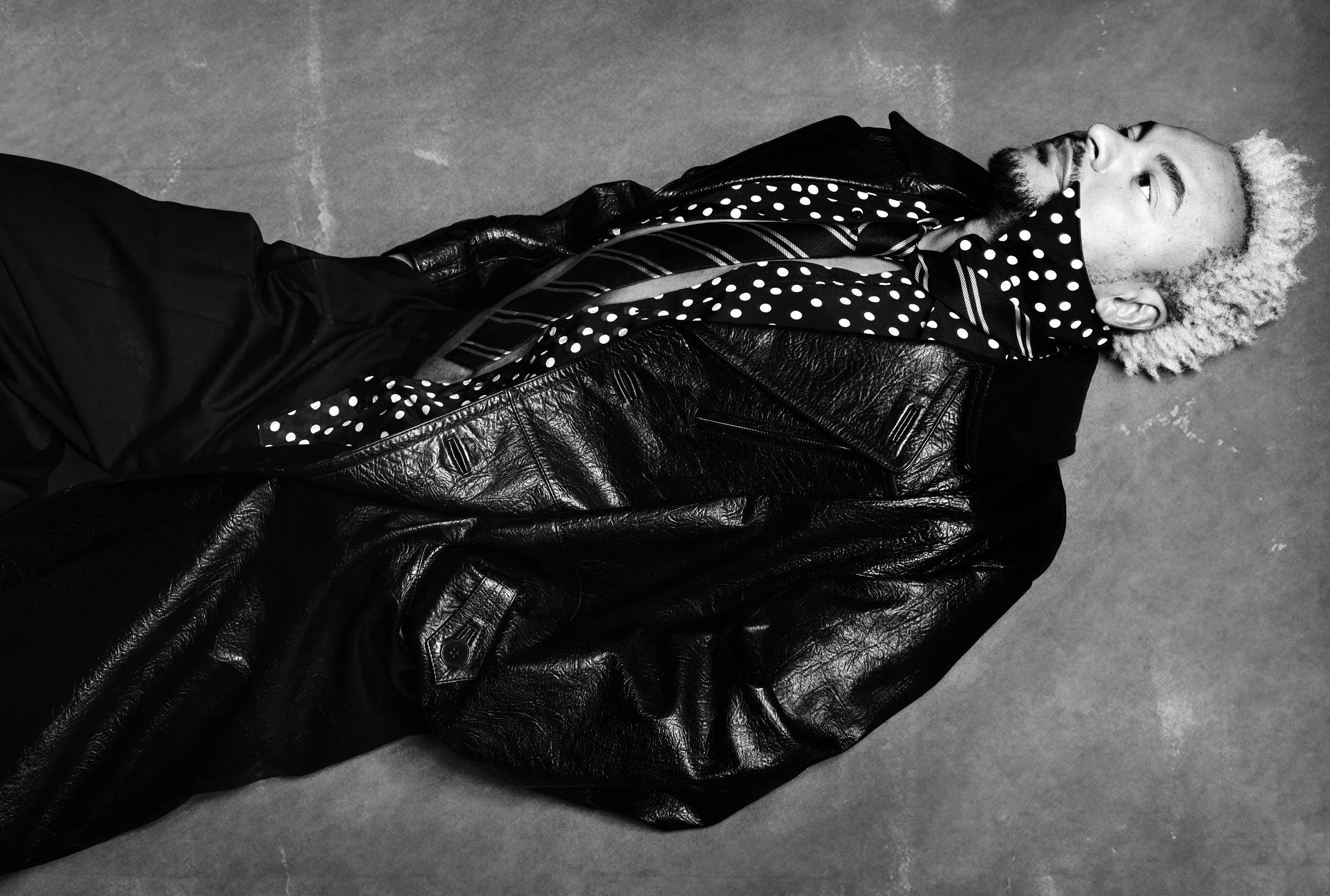
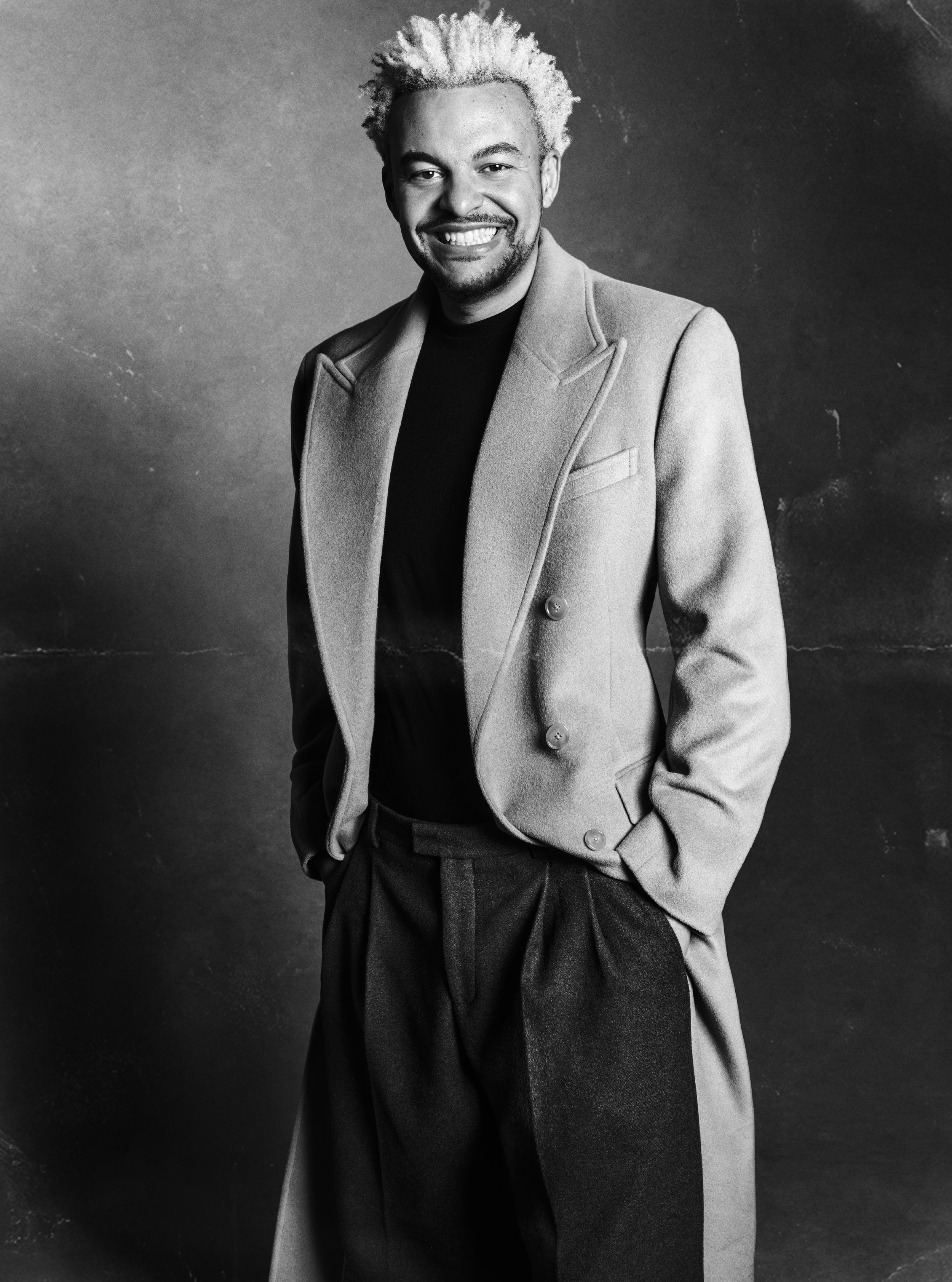
Like many premiere players in the global music industry, Alexander Grant’s first love was football. ‘I was actually pretty good,’ he laughs. ‘But I never had that pushy dad. Nobody in my family knew how to navigate that football world. We had no idea.’ By 16, an injury put paid to any of those dreams becoming reality. ‘It broke my little heart.’ That heartbreak would be his making. ‘When I discovered music after that, I was so obsessed with it that I wouldn’t let anything get in my way. It was almost like I needed that first heartbreak to propel me into it so hard.’
His musical awakenings were Nineties episodes of Top of the Pops – big, exciting corporate pop music and the overgrounding of the British alternative into the mainstream, Britpop. Nothing that really spoke directly to him. Then UKG happened. ‘With Britpop you could see the seams,’ he says. ‘You knew exactly where it came from – it was all about the past, it was so easy. With garage, not only was it brand new, it was ours.’
The localised nature of the world stage appealed to young Alex. ‘A friend of mine dated Ms Dynamite for a second. We recognised people in So Solid. It was our thing. For a long time, Black British culture had relied on America. Finally, we had our own thing. The superstars were living next door to us.’
Someone handed Alex the music-making software Fruity Loops, and the DIY nature of making, pressing and distributing music opened up to the budding entrepreneur. From his job in the cloakroom at Eros, the hugely popular DIY speed garage rave in Enfield, he began to develop a taste level outside of the prescriptions of his upbringing. ‘You didn’t have to know people to be in it,’ he says. ‘I could just do it myself.’ He began to understand how sound anthropomorphised through culture, how kids could literally dictate the pace of everything. ‘And I was terrible with it at first,’ he chuckles.
The sound of garage exploding from his doorstep was genuinely thrilling. ‘“Sweet Like Chocolate” went to number one, MJ Cole, Wookie – these people who changed the way we listened to music, these were massive records.’ What happened with So Solid Crew blew his tiny mind. ‘All that is too much when you’re 18, at the centre of something. I was just discovering girls, just discovering pleasure. And the world around me was the centre of everything.’
He scored a job at MTV Europe’s HQ in Camden but decided office life wasn’t for him. ‘And it’s the coolest office in the world: everyone’s cool, everyone goes for drinks, everyone’s friends. But it’s still an office, you know? I have to make music.”
He attended every masterclass in London. He went to university to study his production craft. He dedicated his whole young life to making a success of his passion. And then his first big break happened when he met label president Ferdy Unger-Hamilton, then a managing director at Polydor and moving to Island. They remain friends to this day. ‘It was my perfect introduction to the music industry,’ he says. ‘I went to Metropolis studios for five years and met everybody. If they asked me to do one thing, I did 10. I was just so excited to be in the middle of it all.’
It was America that first woke up to the possibilities of what young Alexander could bring to global sound from his small portal at Metropolis. ‘I took pics of myself in the studio, and I think people in America thought I was this big UK producer when I was basically the intern.’ Throughout university he would save up to travel to New York for the holidays. Big names began alerting to him. For a second he was managed by Kanye’s guy Eddie Blackmon. Swizz Beatz was entranced by his beats. ‘My mind was blown. He tried to sign me. Then Jay-Z tried to sign me.’
He took a deal with Universal Records and set up a small studio in their Manhattan office suite. By the time his globe-shattering hits started rolling in – first ‘Airplanes’ with B.o.B, then the seismic ‘Love the Way You Lie’ with Eminem and Rihanna – an identifiable Alexander sound had emerged. Not quite hip hop, not quite rock but drenched in both and cross-pollinated to maximum attraction, a new kind of power ballad, bespoke for the 21st century, had emerged. A queue began forming outside his studio, of hungry A&Rs waiting to work with him. ‘My life became very surreal. You become “the hot guy”. Legends who I grew up watching wanted to work with me.’ This is what hit music does.
His move to LA came at the start of the 2010s, when he spent the most instructive six months of his life gaining the ear of former Interscope and Beats Electronics chairman and then Apple Music exec, Jimmy Iovine. ‘That was the game-changer, next level,’ he notes. ‘I was in a different world. I learnt so much. Jimmy is such a genius, so intelligent. He doesn’t have to wear it. He takes his ego out of it completely and makes everyone think it’s their own idea while he’s positioning you on his chessboard.’ The Grandmaster taught his charge well.
Alexander Grant, then known as Alex da Kid, builds Kidinakorner records, Universal’s market-leading label. He sees something special in the deeply unfashionable Utah rock outfit Imagine Dragons and turns them into the biggest stadium-straddling cult band in the world. The ascent of Alexander Junior Grant is complete. He rules the musical world. What next? Build that universe.
The shaping of Alexander Grant into by.Alexander is all about inquiry. It is down to nothing more philosophical than curiosity. There is something almost as childlike in the simplicity of the intention behind the brand vision as there is sophisticated in its execution. ‘For me to be happy, I just need to be learning,’ he says. ‘I can’t stop learning.’
Which brings us neatly to where we are now: the owning of a building; the conceptualisation of an idea; the reinvigoration of a neighbourhood; the building of a world. ‘A lot of the people I grew up with in the music industry are still making hits with superstars, and that’s great.’ He takes a pause. ‘I just got bored of it. I always loved music. It will always be music. But I have to recontextualise it all the time.’
Two important advancements have happened in the life of Alexander since 66 Greene Street started taking shape and turned into his new world, the centre of his new ideas about building his own universe. First of all, he has rediscovered his old joy in and love of music, playing around with the ideas of skronk jazz that formulated the neighbourhood in which his new venture sits proud as the black sheep of. ‘That shit is rock and roll,’ he expands. ‘It is about dudes on heroin breaking every single rule.’ Alexander is sober, a new thing, but he understands the value of inebriation. He is making music once more, a beautiful, free sound fashioned in the studio of his own dreamscape. The Spotify playlists he curates just add to his ownership of sound, like a Substack for sound.
The other advancement is more personal still. This year he will release a candle and scent, all parts of owning the environment that surrounds him, an attention to detail we all understand. ‘These are based around my dad,’ he says. Alexander Grant Senior is still playing a big part of the process. By.Alexander is perhaps not an allusion to one significant individual, but two. ‘How good is that?’ he says. ‘I love memory, how memory affects us. That’s how I spend my time: is this going to be a memory or not? If somebody dies around you, photos are important. But I wanted more. Fragrance and music are the key things in the human brain to cement memories. And even after everything I’ve been through, my memories feel like they are just beginning.’