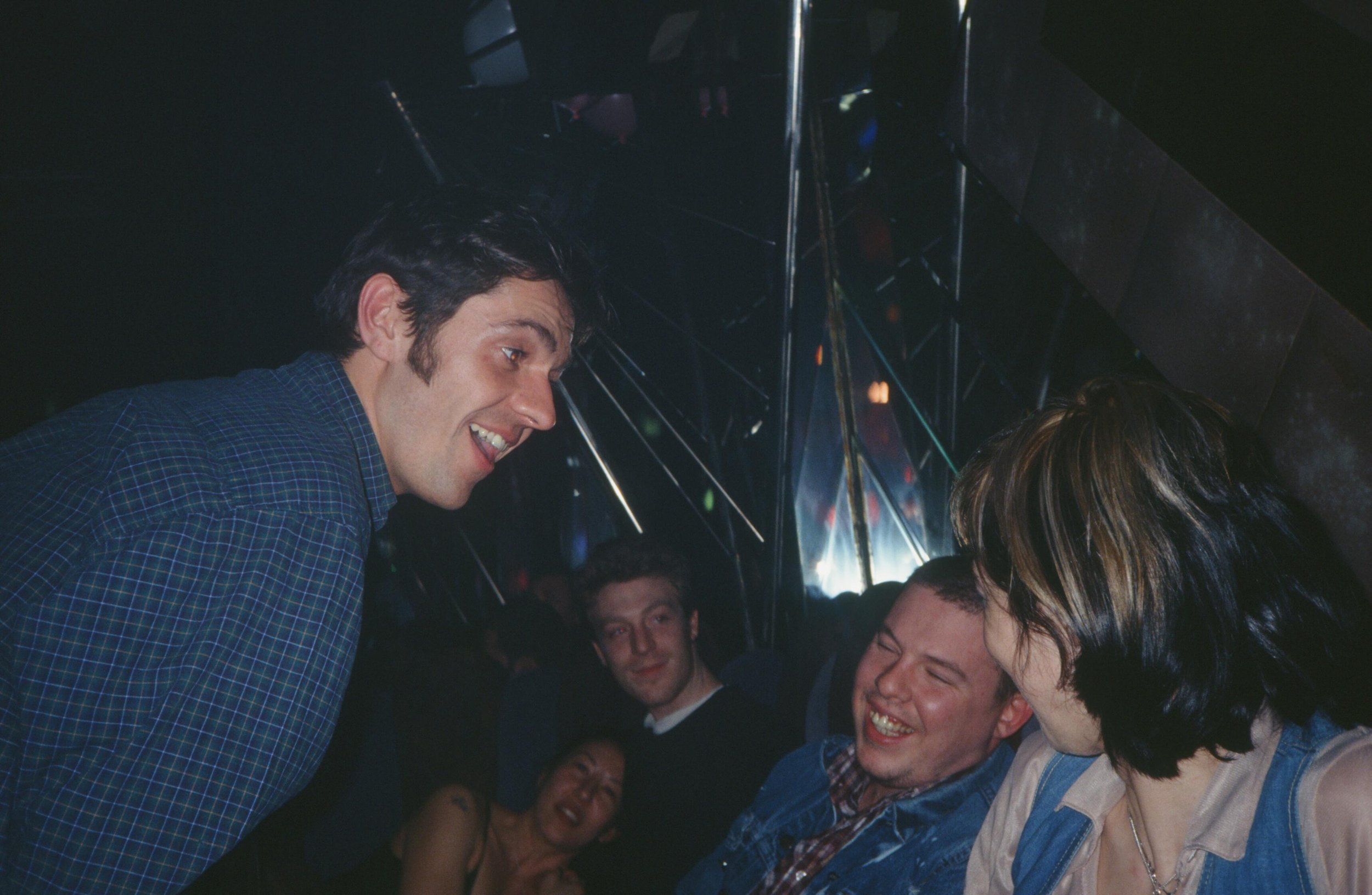
Phil Poynter recounts nights in East London with Lee McQueen and his creative circle.

Lee McQueen for Perfect Issue 10
Photographer: Phil Poynter
Interview: Murray Healy
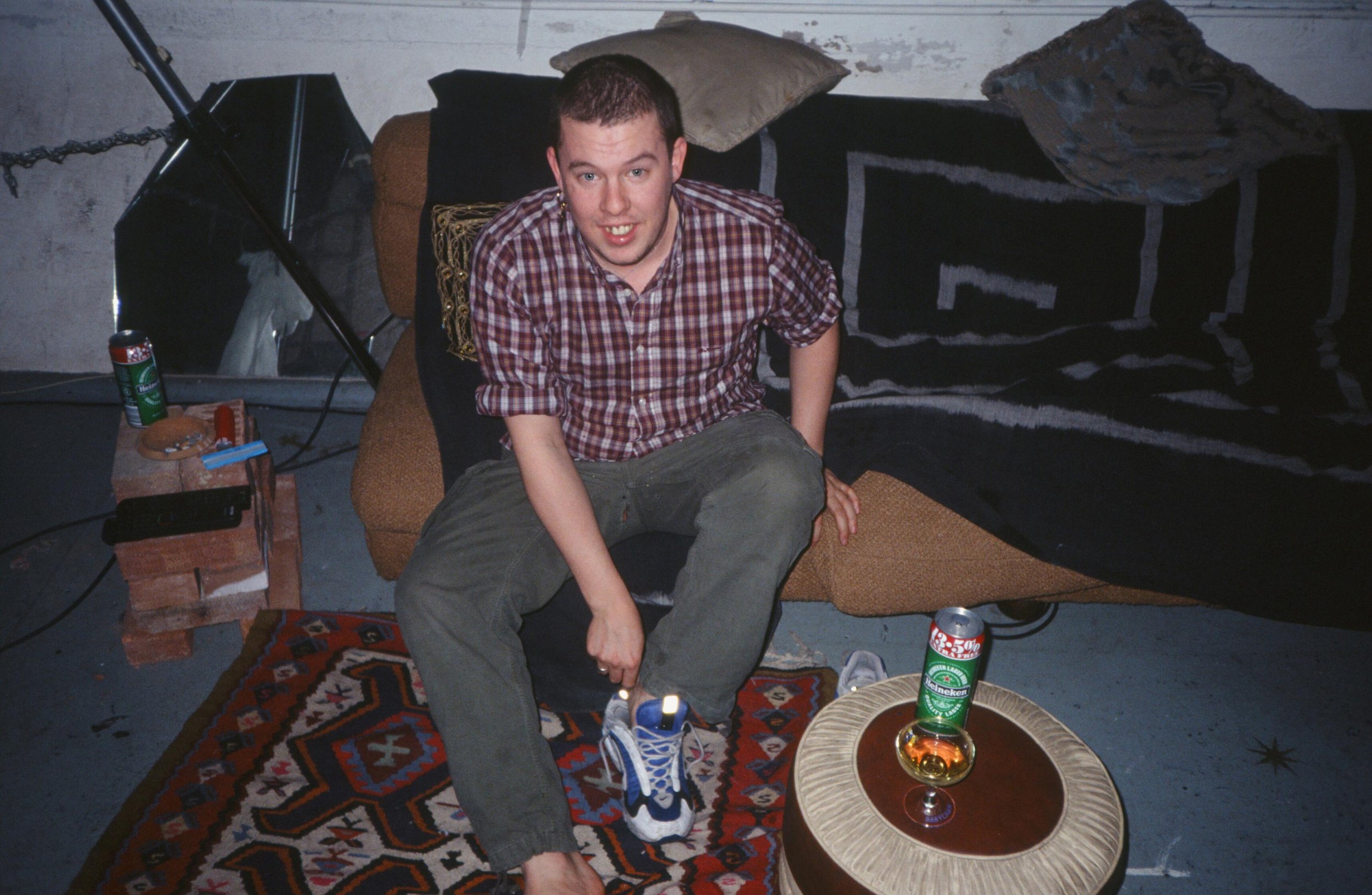
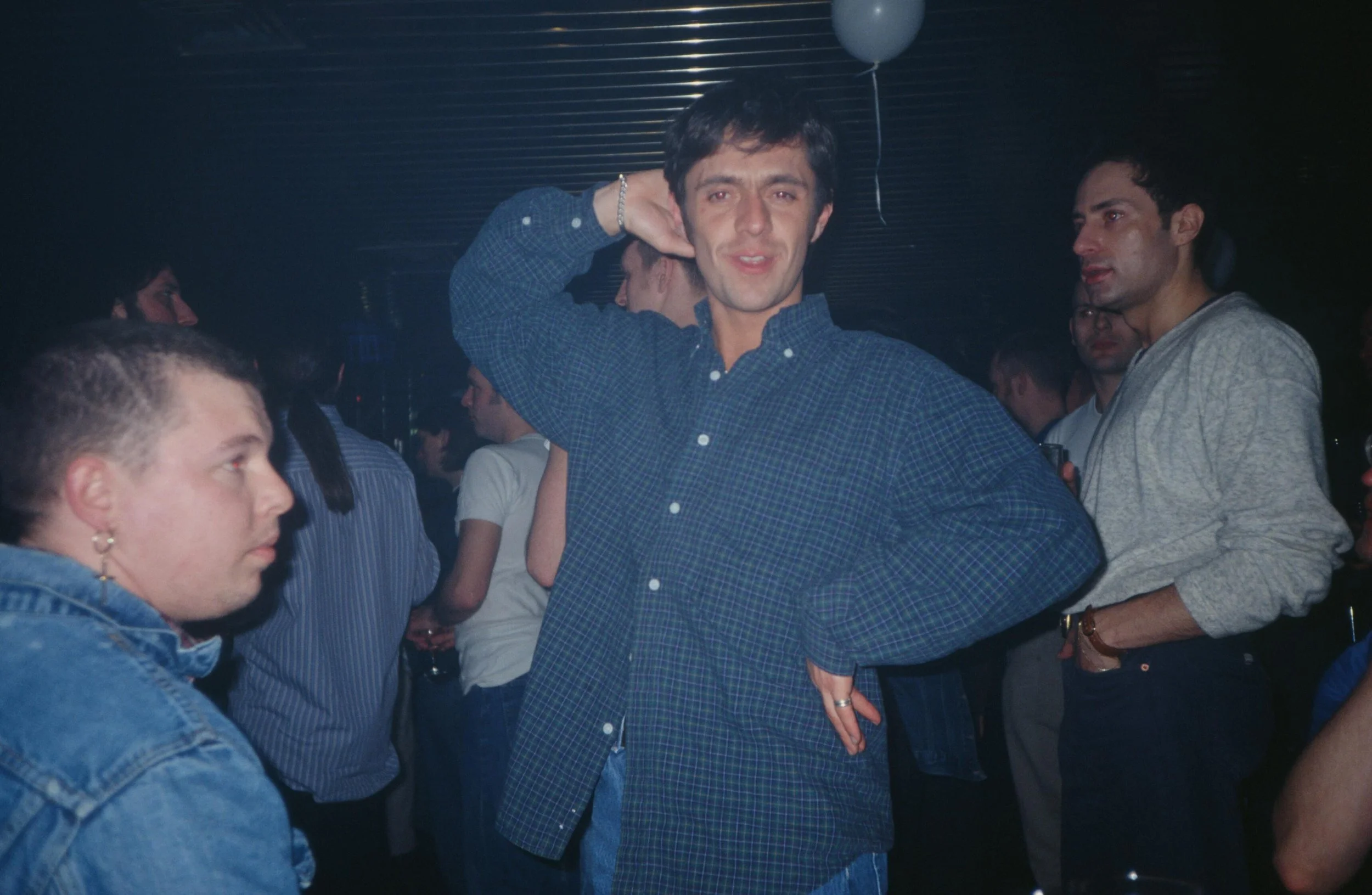
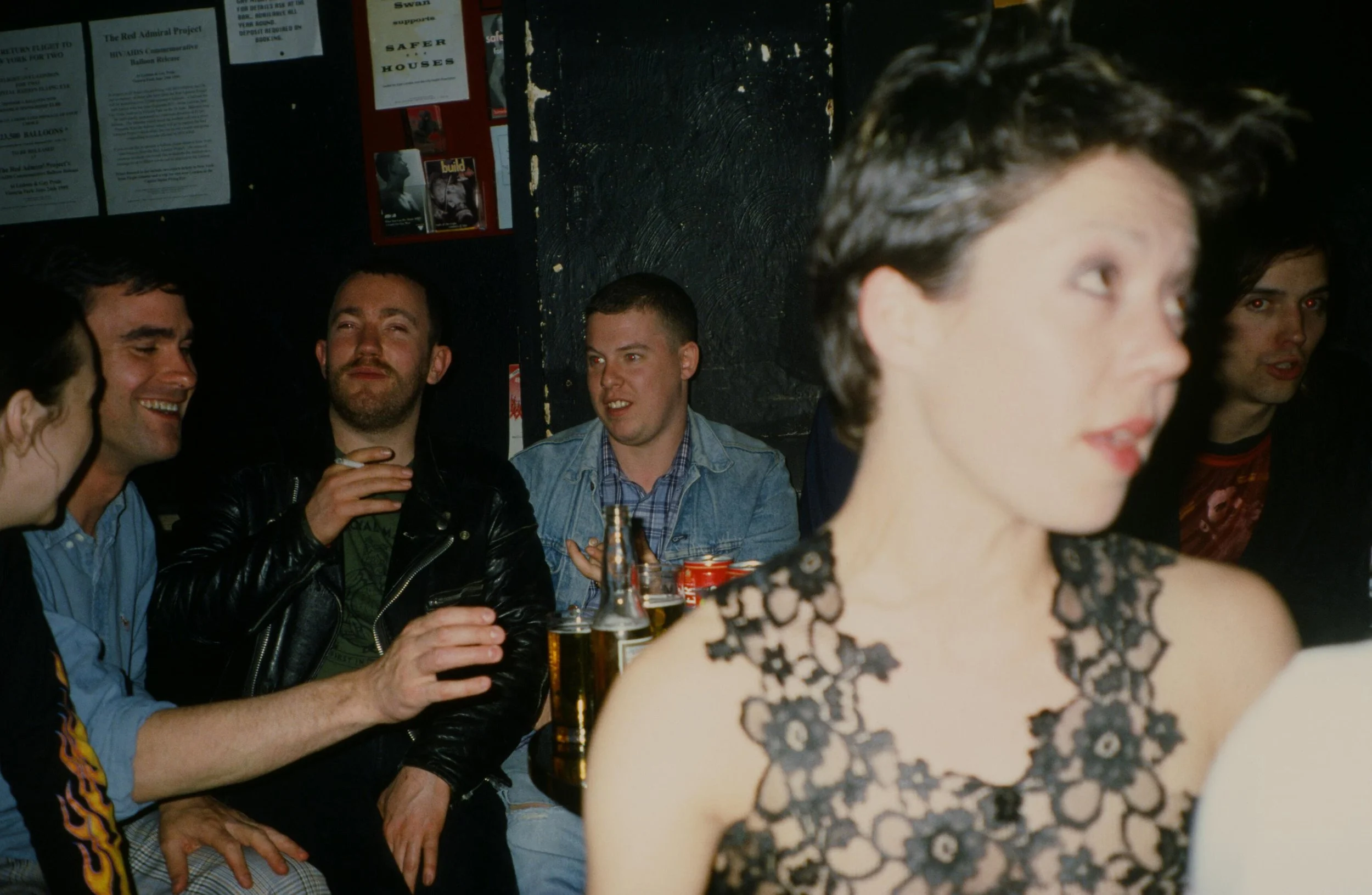
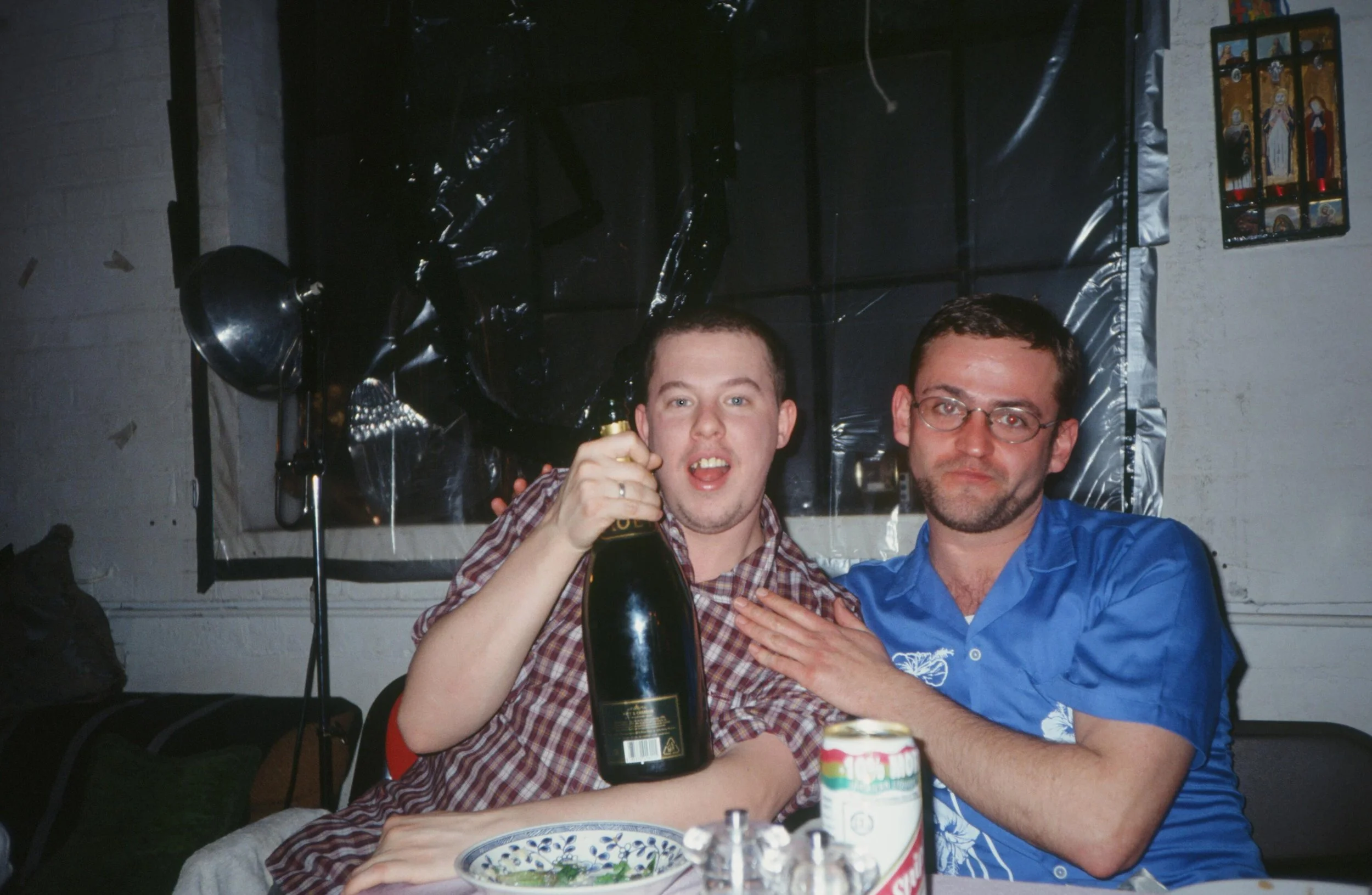
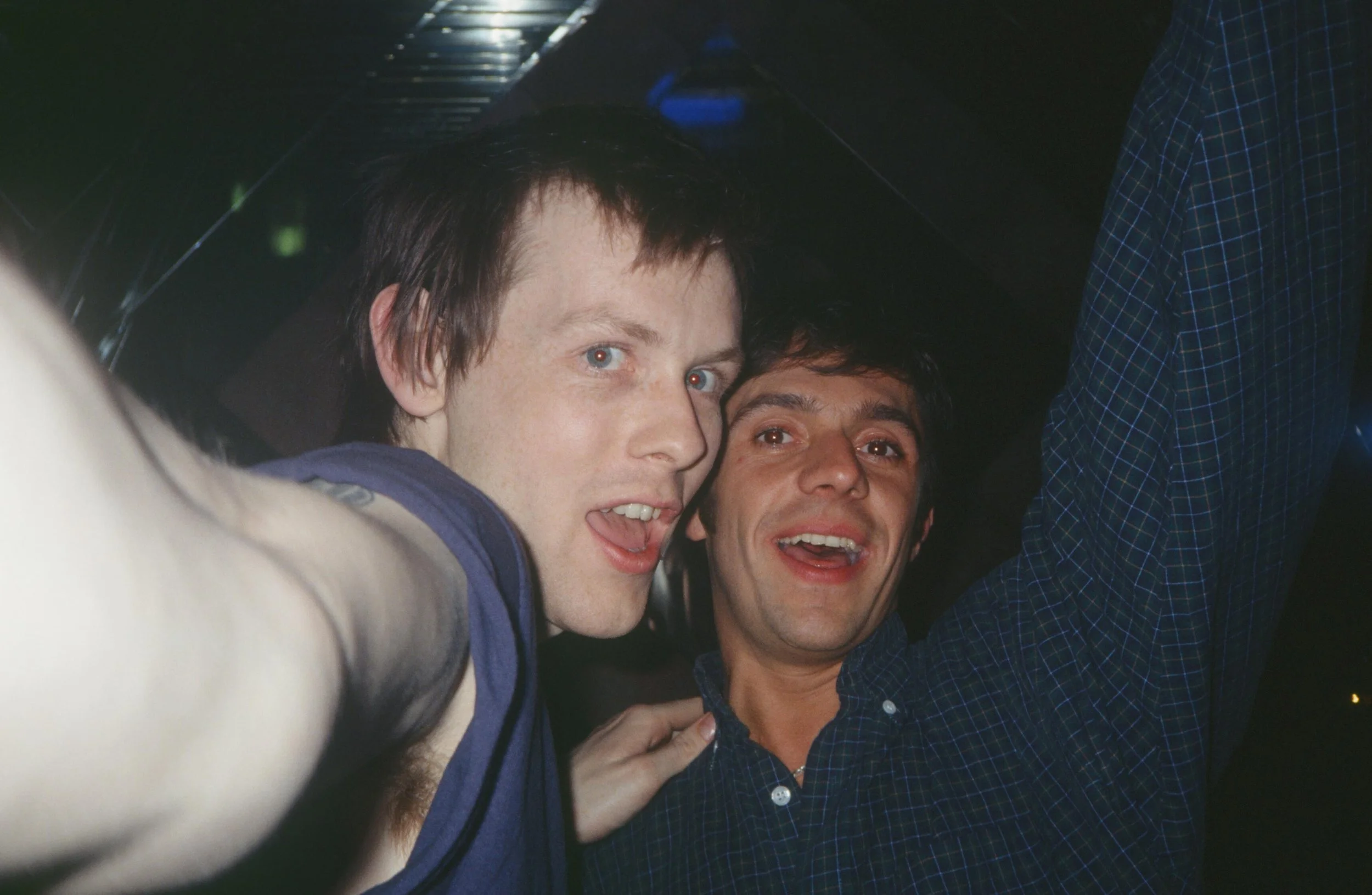
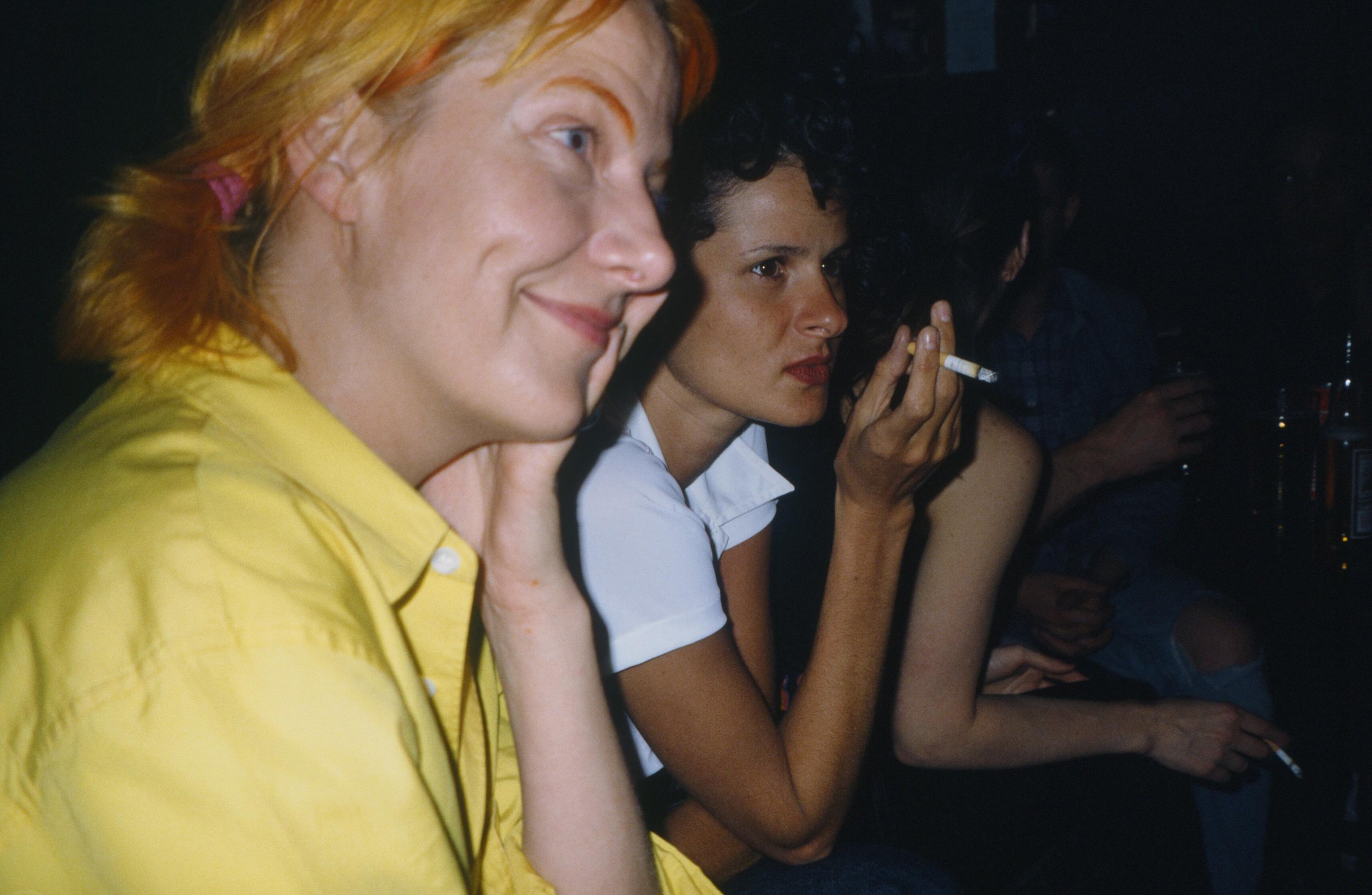
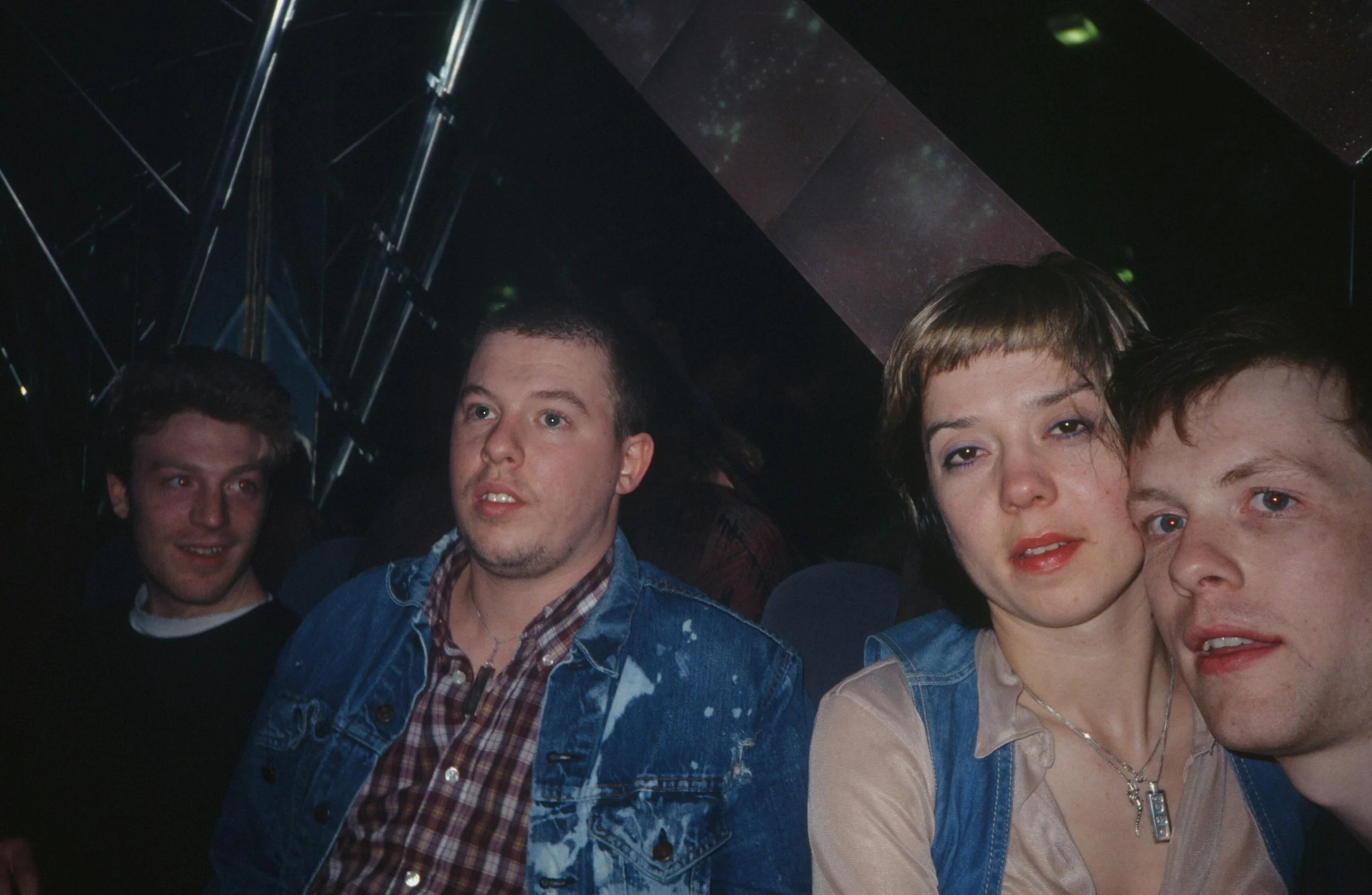
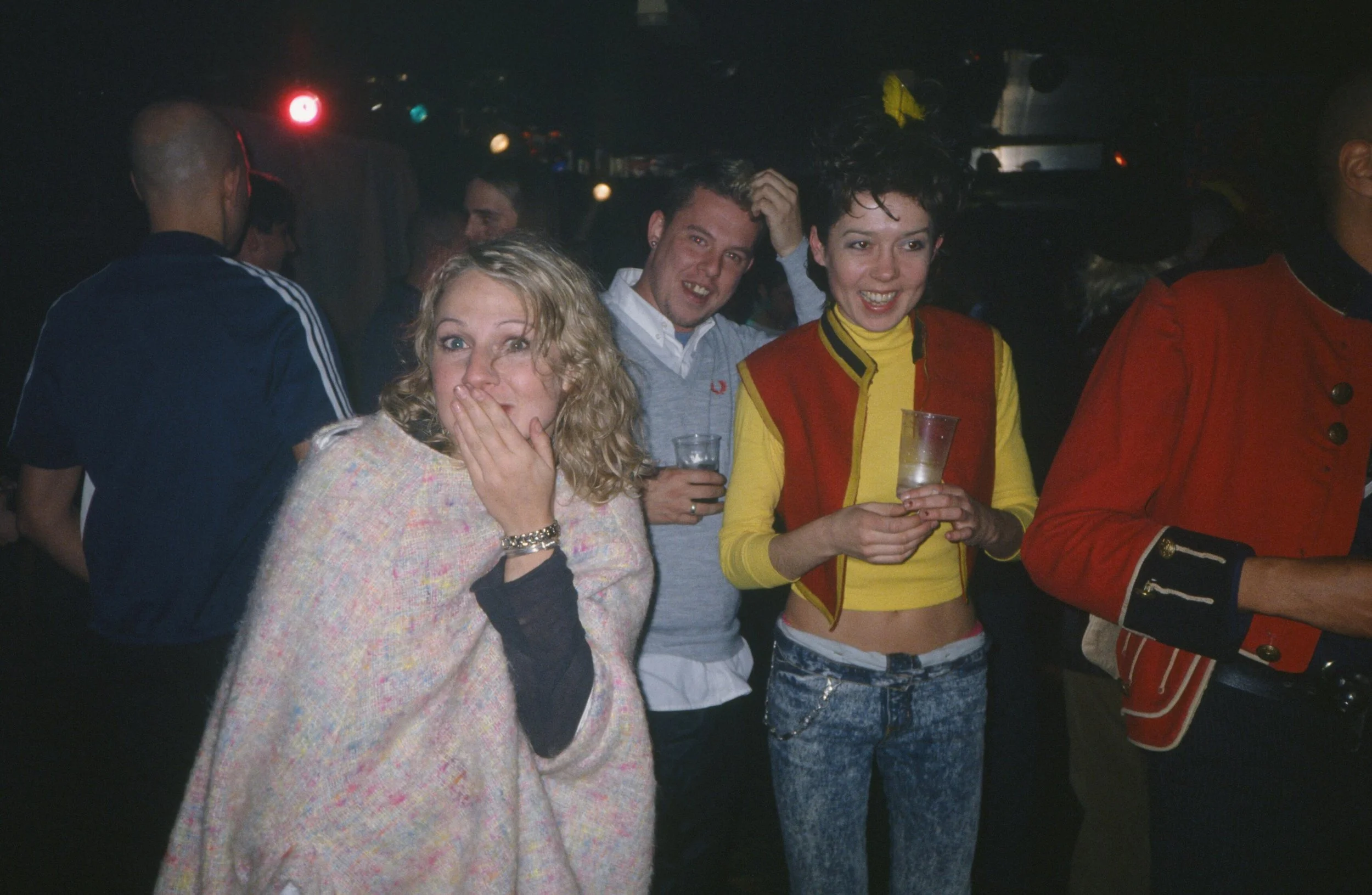
Last year, the photographer Phil Poynter was clearing some stuff out of storage when he came across a couple of rolls of unprocessed film. He got them developed and discovered they held snapshots he’d taken on nights out in the spring of 1996 with his friends – all, like Phil himself, creatives at early but pivotal points in their careers: stylists Katy England and Alister Mackie, jewellery designer Shaun Leane, producer Sam Gainsbury, barber and groomer Mira Chai Hyde and fashion designer Lee McQueen.
‘I was 23 when I took these pictures,’ says Phil. He would go on to become a world-renowned fashion photographer working for Vogue, W, Interview and Perfect, shooting campaigns for Louis Vuitton, Prada and Pat McGrath Labs, but at this point in his life he was in his early years working at Dazed & Confused. Having come in assisting Rankin when the magazine was setting up, by 1996 he had already established himself as a major emerging talent and been appointed Dazed’s director of photography.
Like his contemporaries, Phil was producing innovative and groundbreaking work at a furious rate, shoots that would define the decade, but not really thinking in terms of building a career. ‘All we were interested in doing was creating a great magazine. I didn’t have any idea about a “career path” – there was no career structure at all. There was no financial success for any of us at this point.’
The twentysomethings in these photos were all living and working on the eastern edge of central London, between Clerkenwell and Shoreditch in and around Old Street. A combination of the financial crash of the early 1990s and the big newspaper printers relocating to Canary Wharf had left lots of large industrial spaces in the area standing empty. Rents here were cheap because there was little demand for these barely habitable voids with no industry to fill them. If they were completely unsuitable for domestic living, they made great studios. ‘In the first two lofts that I rented,’ Phil remembers, ‘there was no kitchen or bathroom. You had the situation where Mert and Marcus, right at the start of their career, moved into a loft, put in a toilet, created this cove in their front room and shot Kylie Minogue in it a week later. All of it was that gung-ho.’ With no bathroom, the two photographers had to shower at the gym, and the electricity in their home/studio was supplied via a prepayment meter. It was not an ideal working environment. On one occasion, while they were retouching their images for a Louis Vuitton campaign, the prepayment on the meter ran out, the electricity cut off and their computer shut down; they lost days of work, and they had to run down to the nearby petrol station to top up their payment key before they could start again. Among their peers, such living and working conditions were not uncommon.
By the mid-1990s, Phil was living with his girlfriend Katy England and Alister Mackie in a warehouse on Clerkenwell Road. Katy was working closely with Lee McQueen and would style his catwalk shows. ‘Lee was from the East End and had his studio on Hoxton Square, so he was always round our place and we were always round his. We’d always hang out together, like this gang.’
While he isn’t entirely sure, Phil is fairly confident that these photos were taken at two birthday parties: one for Lee at Mira Chai Hyde’s place and the other for Katy at the White Swan, an old-fashioned gay pub even further east in Limehouse. Back then, in pre-gentrified East London, Phil notes, the psychogeography of the city was entirely different and much more contained: ‘The London that people knew stopped at Clerkenwell Road.’
At this point, Lee was already the most celebrated young designer in Britain and had just presented his eighth show, Dante, in a creepy dilapidated church in Spitalfields. Inspired by The Divine Trilogy, this would turn out to be Lee’s pivotal collection, the one with the Victorian corsets and lace and feathers and antlers and unicorn horns and bleached denim and prints of Don McCullin’s photos from the Vietnam war. The spectacular half-hour, 80-look show featured models Kristen McMenamy, Debra Shaw, Stella Tennant and (making her McQueen catwalk debut) Kate Moss alongside characters largely cast from London nightlife. They walked through the crucifix-shaped space between the seating, where an often unruly audience would spontaneously cheer and whistle.
All the McQueen shows were special, but by all accounts this was the first really special one. It was restaged four weeks later in New York and drew the attention of a global fashion industry which had previously treated London as an eccentric backwater. ‘Nobody had done anything like this until Lee came along and stared doing those conceptual shows,’ says Phil, ‘with art direction and set design by Simon Costin and produced by Sam Gainsbury.’ No one had any money, so he isn’t sure how Lee financed them. ‘This is how far outside the mechanisms of a commercial industry we were.’
What’s notable about Phil’s photos here is that despite the professional success that everyone, and Lee in particular, was enjoying, the backdrops are not glamorous hotels or private members’ clubs, but cheap studio apartments and rough old boozers. Only a few months later, Lee’s life would change entirely when, aged 27, LVMH appointed him creative director of Givenchy; he would present his first collection there at the École de Beaux Arts in Paris the following January. But even at its luxury end, the fashion landscape was almost unrecognisable. When these photos were taken, the corporate transformation of the industry was only just beginning, and the era of the superstar designer had not yet dawned. Tom Ford was in his second year as creative director at Gucci and his effect was only starting to be felt. Louis Vuitton had yet to venture into clothing. Prada had introduced ready to wear seven years before but Miuccia Prada still retained her anonymity. Karl Lagerfeld, Vivienne Westwood and Jean Paul Gaultier were probably the only designers with enough of a profile in pop culture to make them physically recognisable.
Phil isn’t sure what Lee was thinking about in terms of his career at this point; it’s not something they talked about. ‘I think for Lee, it was all about, “I just want to create the most amazing shows that anybody’s ever seen.” Nobody was thinking about anything other than, “How the fuck are we gonna just create this great work?” We didn’t really think of career paths – we thought about tomorrow and the next idea. We didn’t think any further forward than that.’