EJAE’s Golden Moment.
Her Grammy- and Oscar-winning song for KPop Demon Hunters saw K-pop conquer Hollywood and made her a reluctant star. Ejae talks about sharing space with her music heroes and how she finally grew to love pop.
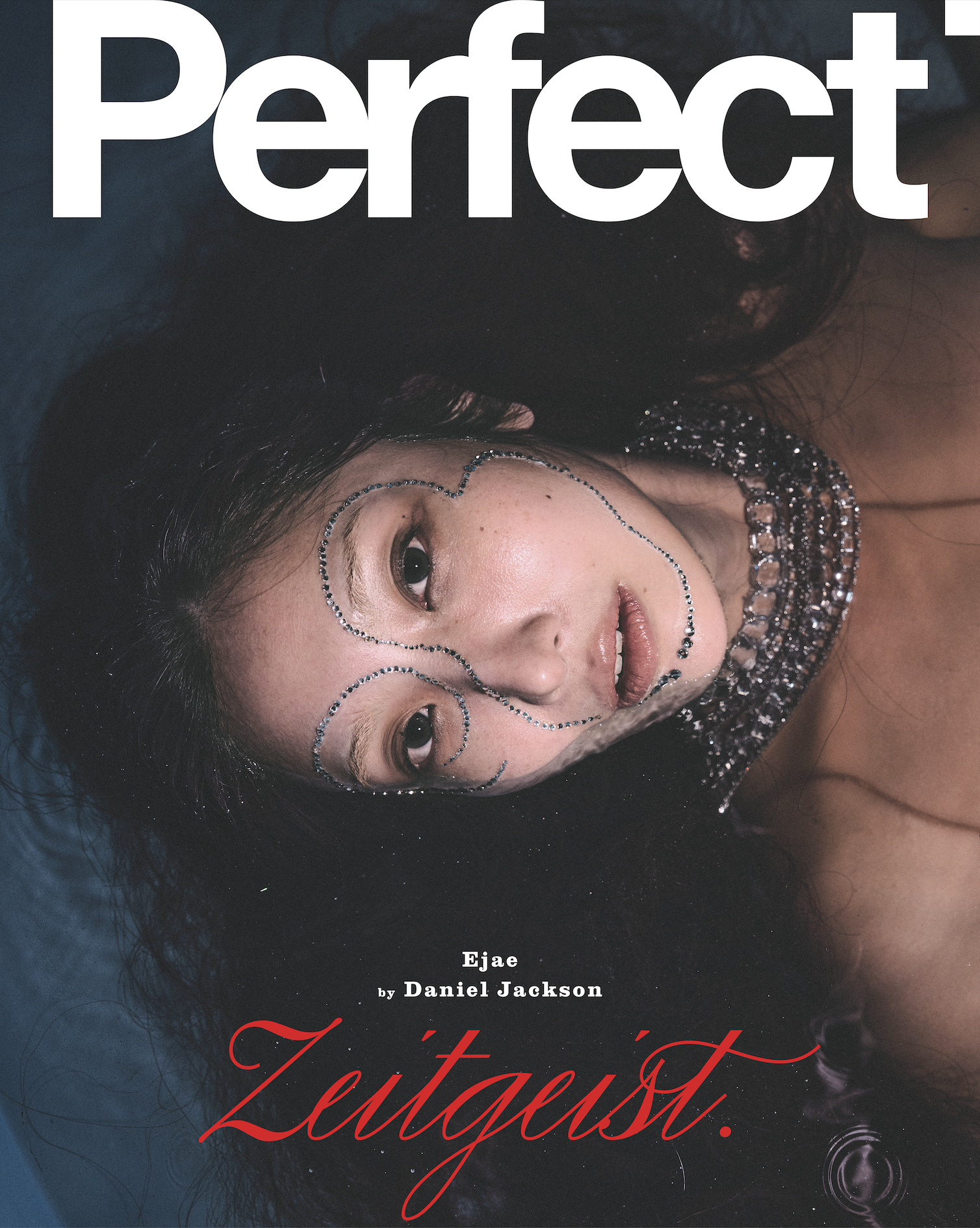
EJAE for Perfect Issue 11.
Photographer: Daniel Jackson
Fashion Editor: Jaime Kay Warren
Writer: Paul Flynn
On 31 January this year, the magnetic Korean songwriter Ejae was booked to perform ‘Golden’ – the all-conquering pop hit she co-wrote and sang for the smash hit film KPop Demon Hunters – at a pre-Grammys party for the legendary American music industry mogul, Clive Davis. ‘Golden’ is a line-in-the-sand pop record, a before-and-after moment for K-pop on the world stage. Due to his death this June, it would turn out to be the last event of this kind in Davis’s honour of his lifetime.
‘Golden’ carries with it the weight of an undeniable, cross-generational, two-billion-stream pop song, one which manages to defy its moment, stringing together a compact, robust, hook-filled anthem for hope and personal pride in hopeless times. Performed by the fictional three-piece girlband Huntr/x – a sort of superhero Bananarama on a mythical mission to save the world – Go‘lden’ now lives in the same hallowed bracket as ‘Let It Go’ for the Frozen universe. It is the hyperpop ‘Over the Rainbow’ in The Wizard of Oz. The pre-Grammys event was, Ejae explains, in her beautifully modest, elegant manner, ‘One of the most frightening performances I’ve ever done – equal to the Oscars, maybe.’ Two months later she would add an Academy Award to ‘Golden’s incredible sprint around the globe.
Everywhere Ejae turned that night, a new hero emerged from her past, making her feel like she had been cast into some epic songwriting hall of mirrors. ‘The moment I step in,’ she says, ‘there’s Joni Mitchell and John Legend right behind me. I try to close my eyes so I don’t notice all these people. Then I go in and there’s Pharrell.’ Amid this roll call of modern hit-making, one quiet presence took her breath away. ‘I look to the left and Max Martin is right in front of me.’
Martin is the Swedish hitmaker who revolutionised production-line pop music at the end of the Nineties with a string of epoch-defining smash hits before refashioning the catalogues of Britney Spears, Taylor Swift, Ariana Grande and countless others. He is every bit as impactful to the Swedish songwriting grid as Benny and Bjorn, and the second most successful songwriter in American music history, trailing only Paul McCartney. ‘And he’s right there,’ says Ejae.
Struck by a rare moment of opportunistic confidence, Ejae took her manager aside: ‘I said, “I have to talk to him.”’ Ejae was born Kim Eun-jae. Awakened by a childhood obsession with K-pop, she began her musical life at 11 years old, sequestered off to a Korean fame academy for aspiring K-pop stars in Seoul, assigned by the entertainment monolith, SM. Born in the USA, she had moved to Korea at 10, and had learned to speak the language first by listening to K-pop records. By the time she left the academy, she had come to realise that a performance life was not for her, deciding instead to step back into the shadows and become a songwriter for hire. When she studied the careers of her favourite hit-makers, one name stuck out above all others: Max Martin.

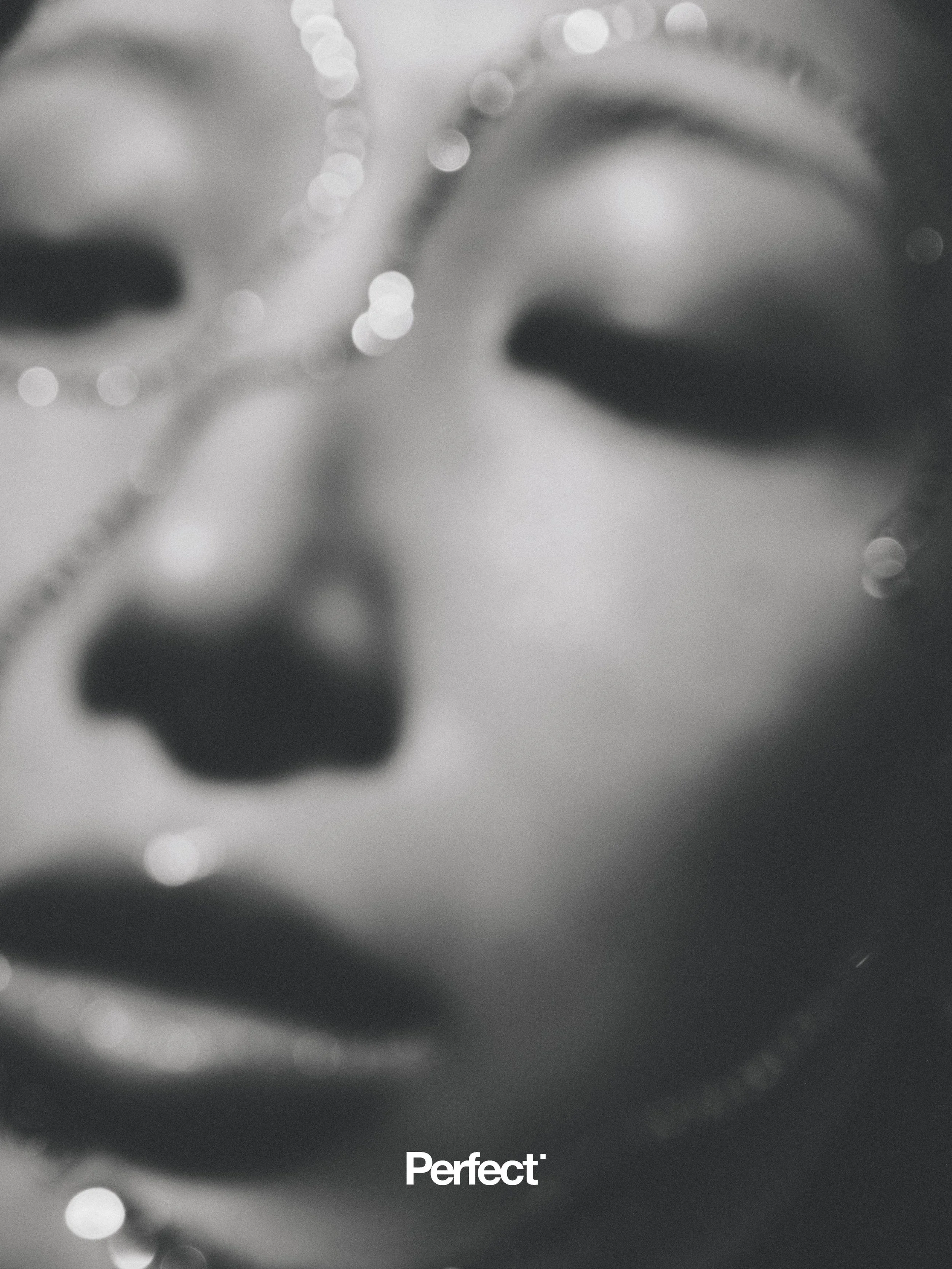
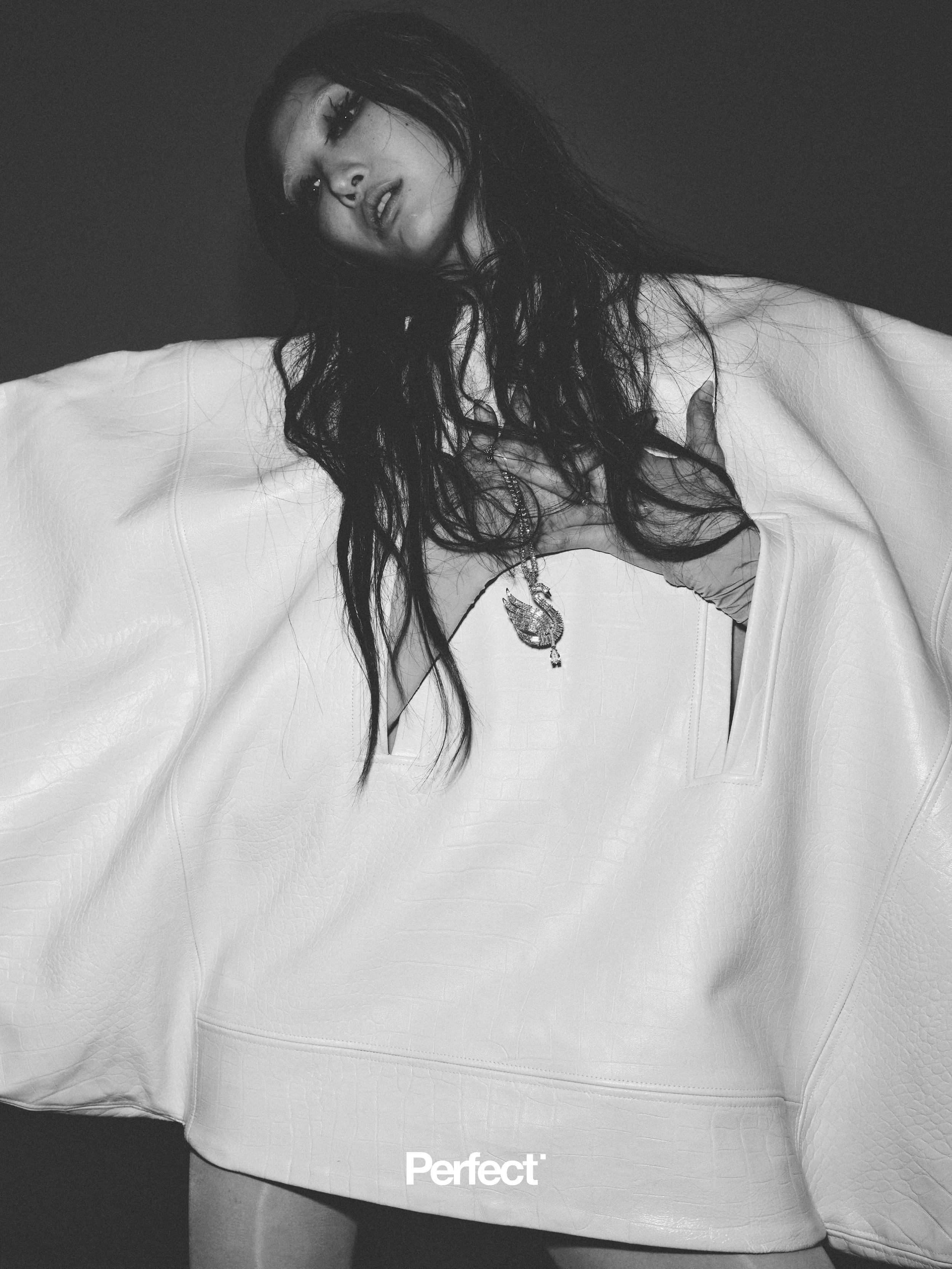
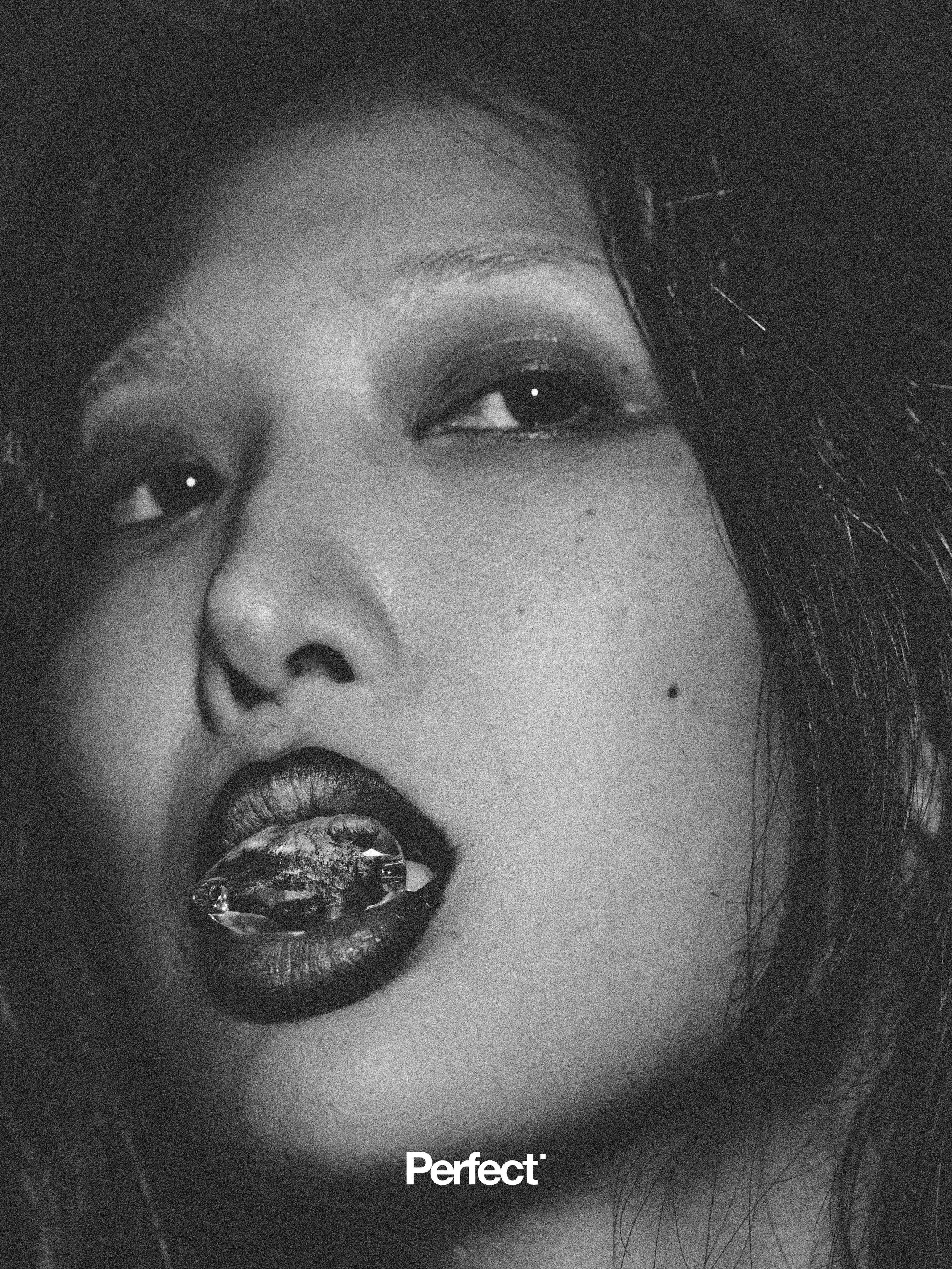
She said hi, and tried to introduce herself. ‘And he said, “I know who you are.” I was like, what? I said, “No pressure, but it would be so great if I could work with you. I just want to be your student, just to learn from you, to be in a room with you.” And then he said, “I think that you’re just fine.”’
In retrospect, this feels like the wildest of understatements. The last 18 months have played out like a fever dream for Ejae. Some zeitgeist moments arrive after decades of careful planning. Others are the result of a cool tear in the cultural atmosphere, when everything shifts overnight. Many happen completely out of nowhere, elevating their authors into a kind of alchemical upswing that comes to represent a straight-up before-and-after moment for pop culture. The story of KPop Demon Hunters, Huntr/x, Ejae, a soundtrack that has dominated the global pop landscape for 18 months and its anchor song ‘Golden’ feels like a combination of them all.
Ejae first heard of the KPop Demon Hunters project, then an unnamed animation about the power of K-pop, in the middle of the pandemic, ‘almost the height of Covid, towards the end of 2020. I was living in my fiancée’s parents’ house in Virginia.’ She had worked as a songwriter on previous Netflix animation projects with one of her earliest musical champions, Daniel Rojas, an early Demon Hunters signatory. ‘He said, “It’s the first big-budget movie to be based on K-pop, that’s all I can tell you.”’
For anyone yet to see the film, the narrative of KPop Demon Hunters takes some wild tangential turns. Based on mythic Korean folklore, it tells the story of three shamans descended from ancient history, now in the form of a K-pop girl band embattled to hound out the demons of society in song. A basic morality tale is transposed into the hyperreal world of shiny-floor talent-show TV, when the battle for good and evil comes down to an epic showdown between the boy band The Saja Boys and their girl counterpart, Huntr/x. If this feels like vanilla fodder, it plays out as its opposite. The great triumph of the film is to treat the vivid imaginations of children with respect, to amplify the clear-cut playground distinction between what is right and what is wrong to giddy, theatrical heights. The film is bold, extreme, camp, thrilling. It throws itself at the screen 20 ideas a minute. Sometimes KPop Demon Hunters can feel less like a film than an assault course. The reaction it elicits in kids is instantly and consequentially transformative.
All of the music Ejae composed, then sang for the film as the member of Huntr/x who is part hunter, part demon, comprised original compositions. ‘It was all dependant on the story. When I signed up for it, there was no story.’ As the big, raucous elements of drama began to take shape, Ejae started to see huge potential. ‘As a Korean person, it was just genius. These K-pop idols are actually disguised shamans. Shamanism, in that world, is basically superheroes, who use our music to protect the world from demons.’ She started to recognise a global story emerging, too. This was not just about the magical power of K-pop, but of music itself and the grip it can hold over people’s lives. ‘I just thought it was such a genius idea – this had so much potential of becoming something big.’
‘Golden’ was the last song to be completed for the soundtrack. ‘That was the most important part of the film. It’s the make-or-break song,’ she says. ‘We could not finish the lyrics until the directors were done with the story. The thing about “Golden” is that it is diegetic and non-diegetic. Once they had the BPM and knew what the backing should sound like, they sent it to me for topline writing.’ She got the bones of the track while on the move. ‘I received it in a taxi on the way to the dentist. The whole thing that was funny about this project was that that was the day that I got a gold filling. It was a sign from the universe: go write that song.’
She says the reaction to the film, then the reaction to the song told its own story from the week of release. If any project she had been involved with was likely to take her to the Grammys, the Oscars, the Met Gala, this was the one. Within 12 months of the release, she’d attended at all three, performing at two. ‘I have had hit songs before, K-pop songs in Korea. The immediate reaction to those songs is very memorable. This one was a whole different level. It’s crazy how the fourth wall was broken so immediately.’
Of the many places KPop Demon Hunters and ‘Golden’ has taken Ejae, three stand out the most for the songwriter, now a reluctant superstar, emerging from the shadows at the behest of a dementedly online fan base that is determined she should get her props in public. She says she had three categories of ambition, all of which have now been fulfilled.‘The smallest, the fact that my friends in Virginia, who don’t really care about pop music, know how to sing this song. Then the biggest ambition, a number-one Hot 100 single.’ Which happened. ‘Unreal. Then the ambition that was unreachable and unfathomable for me was the Oscars. That was just crazy.’


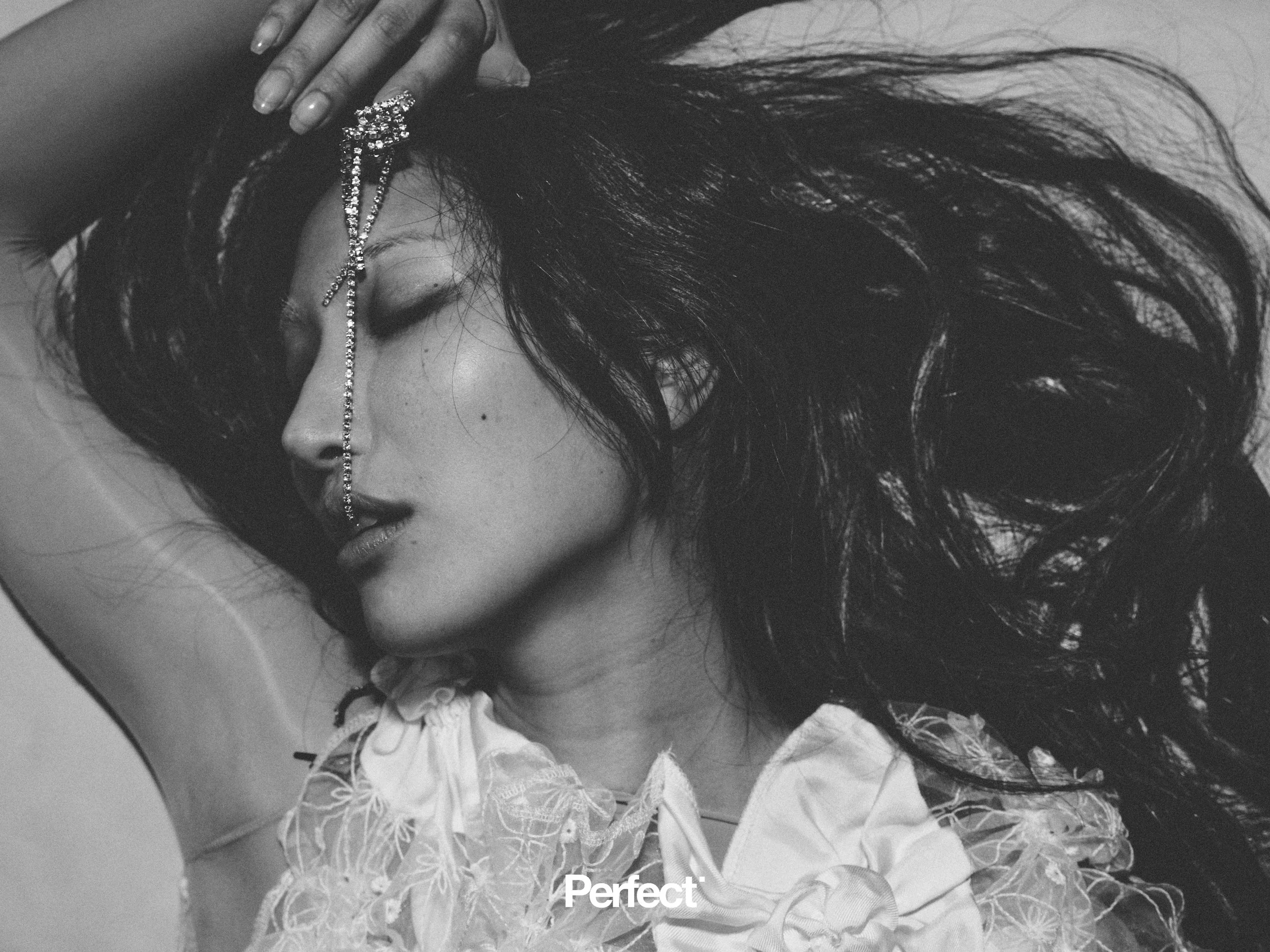

For Ejae, a 34-year-old songwriter who just wants to communicate through sound, this was the moment everything changed. ‘It made me believe,’ she says, ‘that anything is possible.’ Success at this scale, at this age, is a good thing, she thinks. During our Zoom she seems pleasingly unflustered, still slightly astonished and supremely poised on the subject of the success of her creation. This may be a mirage. ‘I had always seen fame at a distance. Now getting it, especially at this age, I feel like I went under water while opening my eyes. I was able to see every single transition in how people communicated with me. It was so interesting. But it was hard.’
Ejae is now one of the songwriters of her generation. That is what the zeitgeist does to you. Max Martin was right all along. She’ll be fine. Because she sings the majority of ‘Golden’, she is also one of the performers of her generation, too. ‘Unbelievable,’ she sighs. She is circumspect on the state of global pop music in 2026, recognising that because the algorithm is deciding and decoding hits, success is out of the hands of the old gatekeepers. Because of the internet, pop music feels like more of an interior force than exterior. When a Taylor Swift or Charli XCX sings now, they don’t sing about the state of the world, they sing about the state of themselves. ‘It’s very “through their lens”. It’s very interesting that the relationship between the fans and the artists now is centred on the question, who are you?’ That is not the way Ejae approaches songwriting. ‘It doesn’t matter.’ A big change may be afoot. ‘It used to be that the unknowable was interesting. What’s interesting about this getting to the top is that KPop Demon Hunters is a fiction.’ Sometimes that’s the easiest way to gauge the temperature of the world, to tell its story back to itself through song.
Tomorrow, Ejae will write another song, incrementally shifting the pop graph once more. ‘I do it,’ she says, with alarming simplicity, ‘because I love it. I love pop – and I used to hate pop.’ The mass market used to bore her. ‘Everybody knows it. Why? I liked my own niche things.’ When she started working as a songwriter, she thought again. ‘The thing with niche things is they get lonely. I have a feeling that, in general, every human being wants to feel understood. Whether it be with friends, in relationships, with society generally, they just want to feel understood.’
Pop music, she thinks, makes people feel seen, together. ‘You know, it’s great when you have that one thing that everyone enjoys. That whole mass experience brings community. You can sing the same lines with a complete stranger next to you. That is the beauty of pop music. It’s why it is so loved. The power of it is in the ability to bring a huge amount of people together without agenda.’