Gracie Abrams in conversation with Jennie.
Gracie Abrams talks to Jennie from Blackpink, her friend and fellow Billboard Women in Music award winner, about the surprise arrival of her third album, Daughter from Hell.

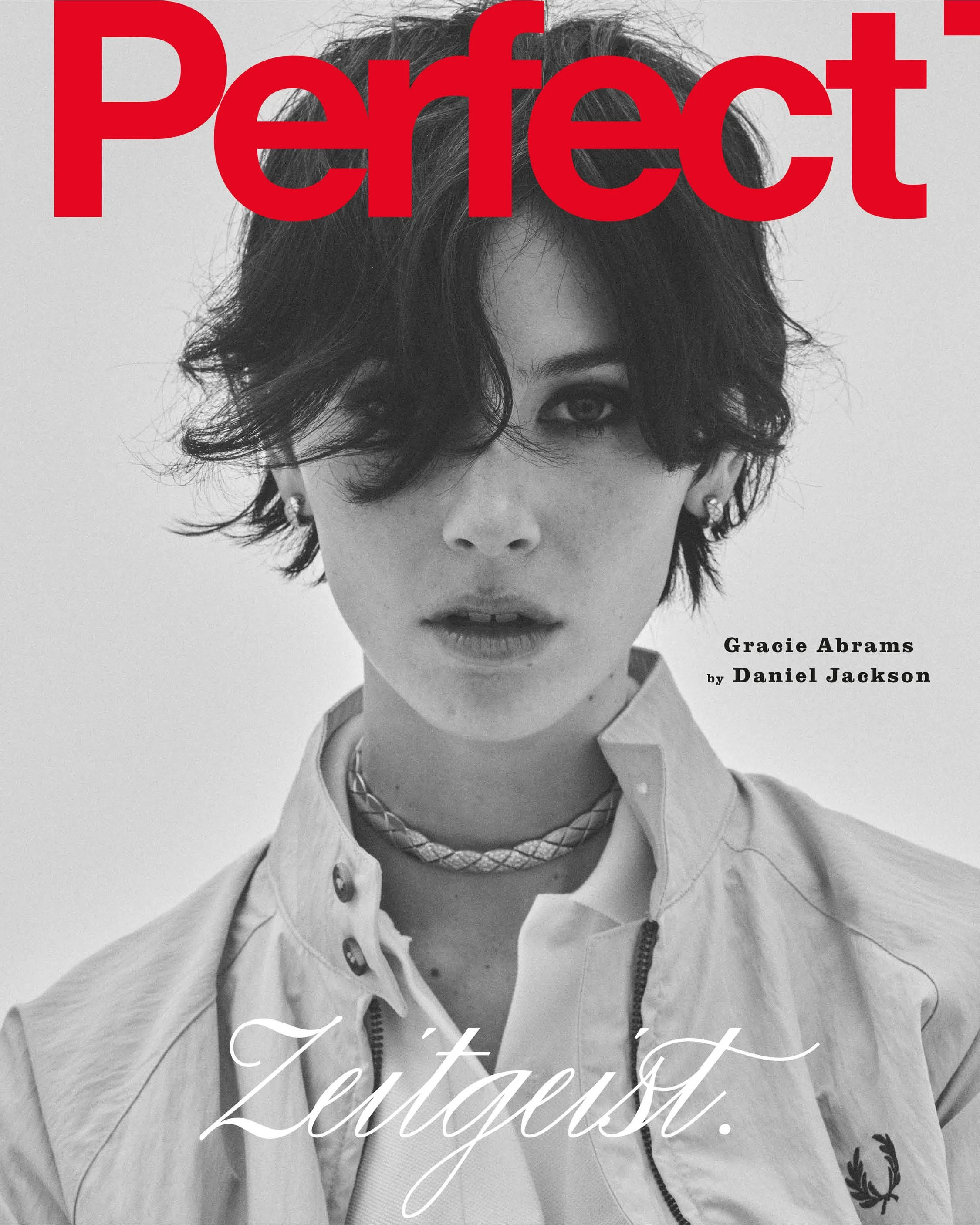

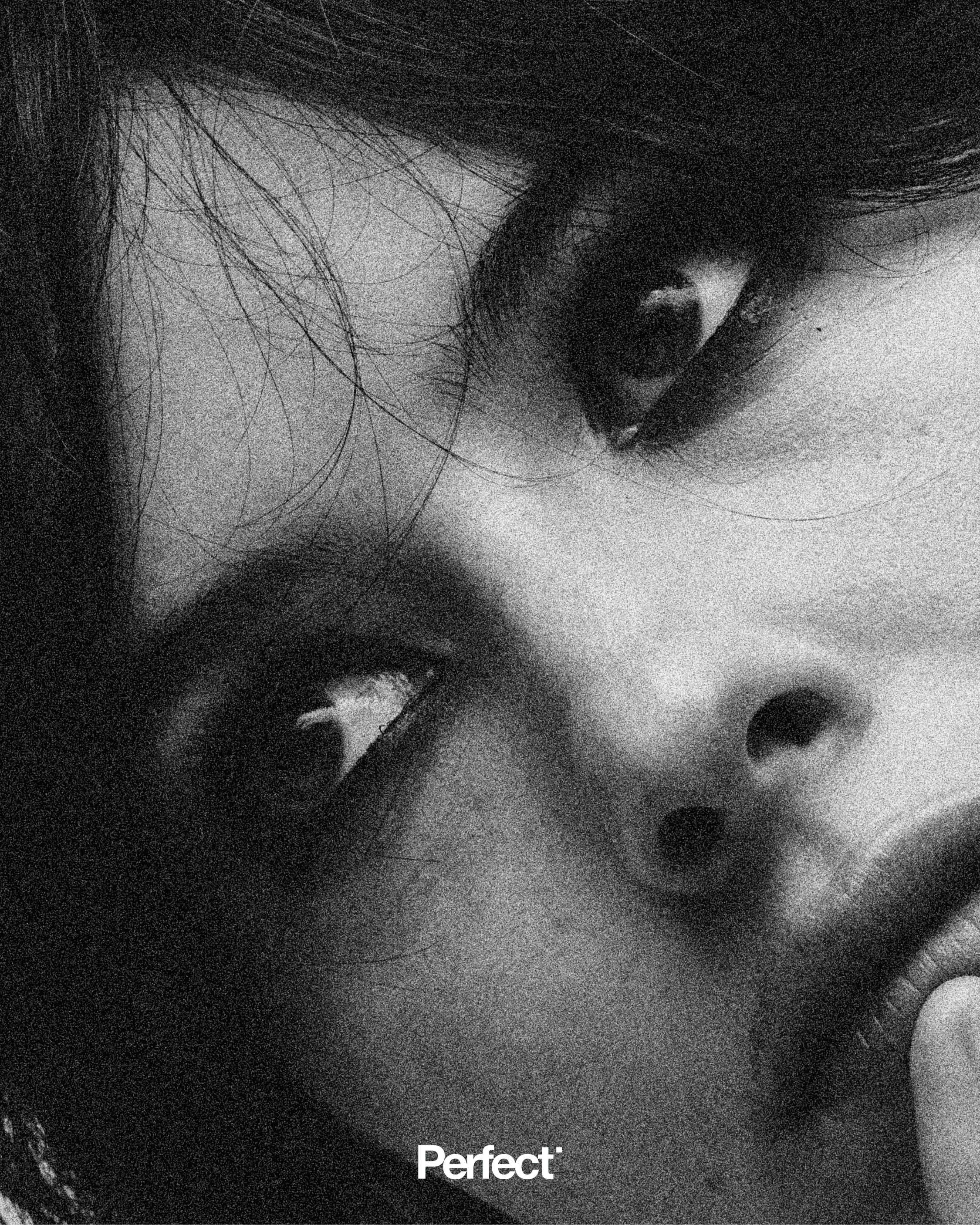
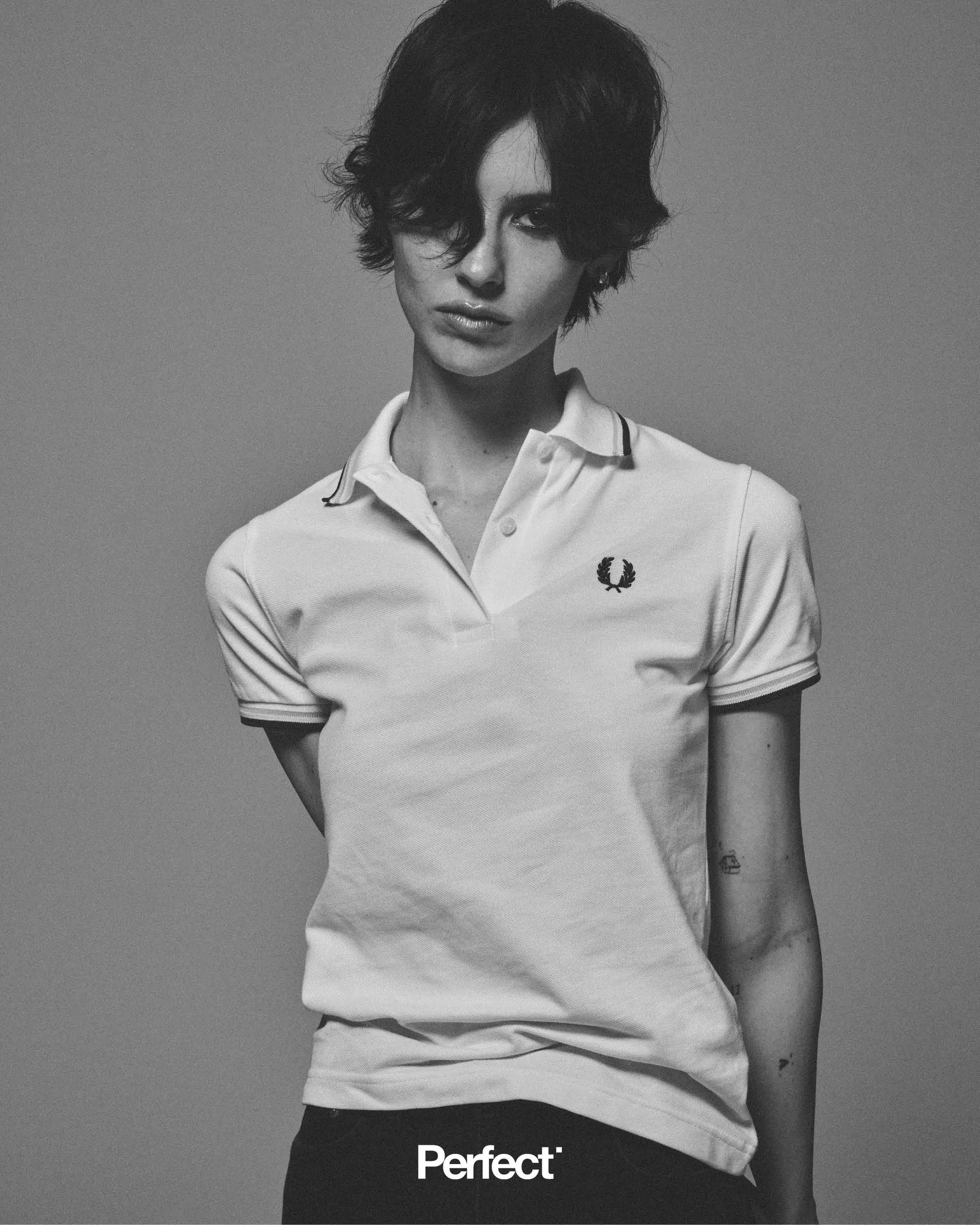
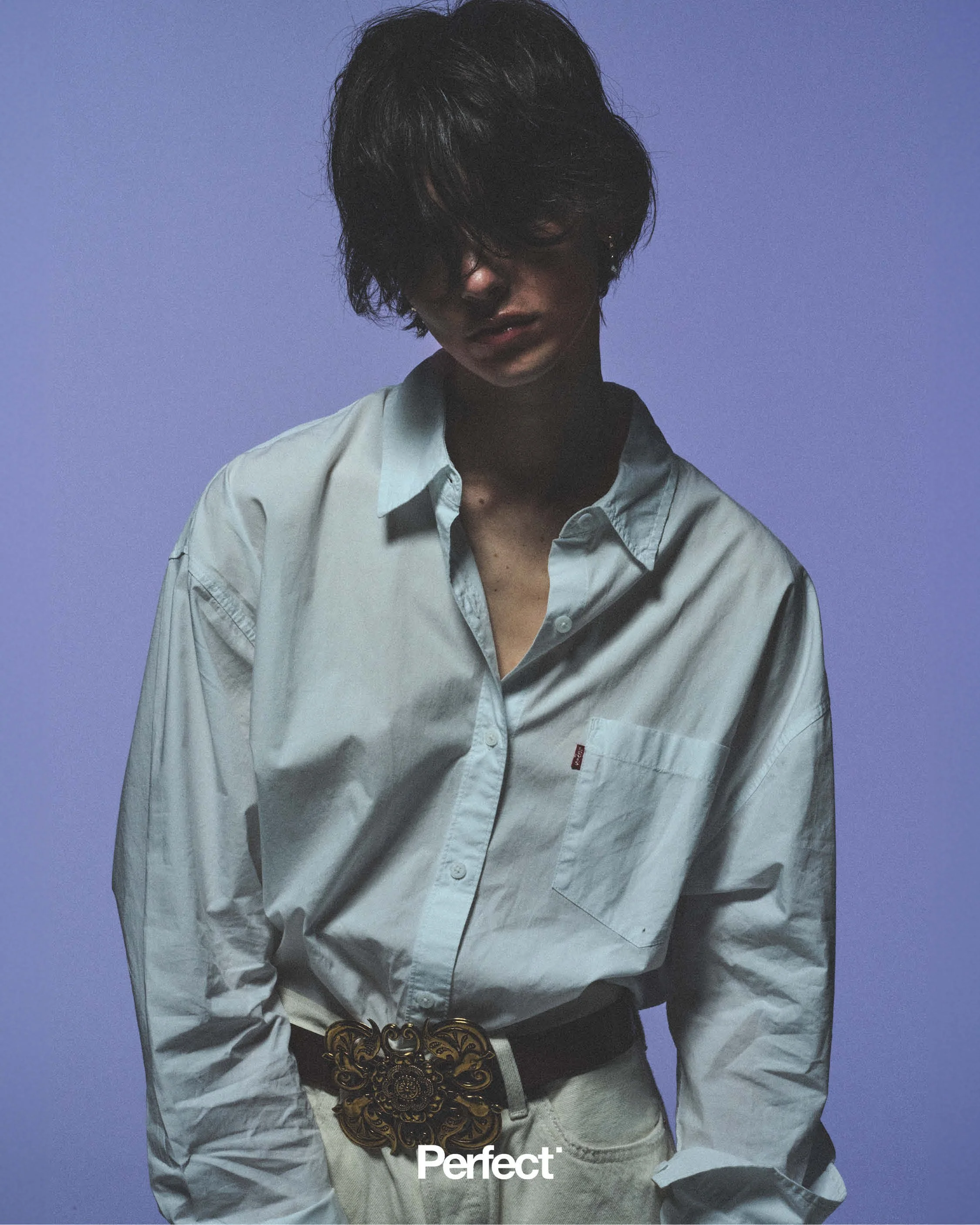
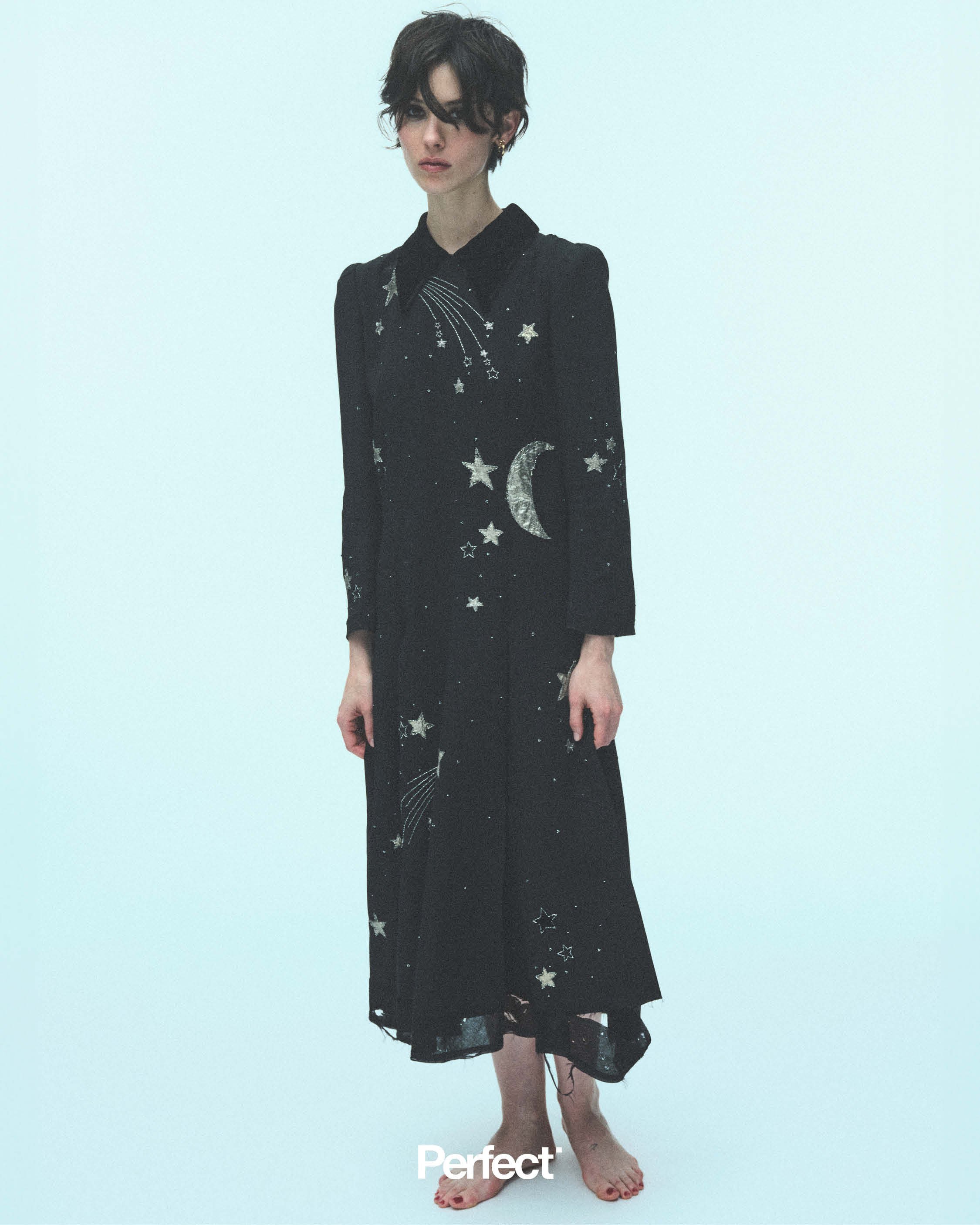
Gracie Abrams for Perfect Issue 11.
Photographer: Daniel Jackson
Fashion Editor: Katie Grand
Writer: Bryan Yambao
I was in Sitges, Spain, on the beach, without my laptop, which is not the ideal way to discover that Gracie Abrams and Jennie had been waiting for me on Zoom for six minutes.
The original interview time had changed and I had saved the wrong time zone in my calendar, because this is how empires fall. There had been a Google Meet, then a Zoom, then technical issues, then me: moderator, fan and idiot, holding my phone in the sun like a man FaceTiming his dentist.
And then there they were. Gracie and Jennie. Two mega music stars on my phone screen while I tried to look like a professional adult.
You can know the songs. You can have listened to Gracie in private, to Jennie and BLACKPINK at full volume. Still, when they are suddenly there, waiting for you, the fan in you does not die. It just learns to sit upright.
For Perfect, the premise was simple and slightly surreal: Jennie would ask Gracie the questions. What followed was less interview than recognition: two women who clearly understood each other before the first proper question had landed.
Gracie Abrams has always made music that feels almost too close. From minor to The Secret of Us, she has written from a place people try to tidy up before anyone sees it. Her songs often sound as if they have arrived five minutes after something happened, still warm and undignified by hindsight.
But when she speaks about her new project, Daughter from Hell, something shifts. The feeling is still there. So are the nerves. This time, they are not driving the car.
‘I feel like, because I’m the oldest I’ve ever been, I have more perspective than I ever have before,’ she says. ‘My whole life, I’ve been very used to turning to songwriting when something has felt particularly overwhelming or negative… like I needed to rush to get this thing down. Weirdly for this album, I didn’t feel so manic.’
Jennie understands the machinery from the inside. She knows what it means to be styled, lit, choreographed and still searching for the person inside the performance. She tells Gracie there is always an ‘in-between balance’ between the production and the self, a question of how to bring more of the real person into the music, the performance, the room.
Their friendship began in the usual absurd way these things sometimes do: not at the beginning. They first crossed paths years ago at Kendall Jenner’s Halloween birthday, briefly, in passing, and only ‘linked-linked’, as Jennie puts it, much later. The real moment came backstage at Billboard Women in Music in 2025 – Jennie winning the Global Force Award, Gracie winning Songwriter of the Year – where they held hands and recognised something.
‘She felt like a friend,’ Jennie says. ‘She was so genuine with me from the moment that we met.’ Then came the line that quietly defined the whole conversation: ‘There is no wall between her and reality, which is so rare to find in my experience in life.’
Both women kept circling the same problem: how to bring a real self into a highly produced life. BLACKPINK live, Gracie says, is ‘the equivalent of a human firework show’ – a finale every song, no low energy, no place to hide. That is where glamour starts to look less like fantasy and more like stamina.
Daughter from Hell arrived after Gracie stepped out of her own cycle. After years of touring, she had six months off the road. ‘My nervous system was regulating to a day that didn’t end with being on stage in front of a bunch of people,’ she says.
She had not planned to make another album so soon. ‘I wasn’t anticipating having an album for another year or two,’ she says. ‘I wanted the downtime to live my life off tour and figure out what it is I wanted to say.’ But life, inconveniently, started speaking.
The title came last.
Jennie: “There is no wall between her and reality, which is so rare to find in my experience in life.”
Daughter from Hell began as a song to Gracie’s mother, Katie McGrath: part letter, part apology, part thank-you. The older Gracie gets, the more horrified she becomes by what she put her parents through: the sneaking around, the childish assumption that adults cannot see what they are already seeing.
‘I just admire my mom so much,’ she says, ‘how decent and generous and full of grace she is.’ The song became an unravelling of her fear and shame that she might never reach her mother’s level. ‘I fell in love with the term “daughter from hell” as soon as I wrote the song,’ she says. It became the thesis for the album.
There was also a joke buried in the basement. Grace’s friends and collaborators Aaron Dessner and Justin Vernon once nicknamed her ‘the basement lady’ because of the low, layered vocals she recorded ‘in this kind of demonic way’. When Daughter from Hell appeared, the nickname suddenly made sense. Daughter from hell. Basement lady. Same family. Different staircase.
The album, she says, feels more spacious than her earlier work. Not happier. Just less reactive. ‘I think I just let them flow through me without feeling so deeply attached to an extreme good or an extreme bad,’ she says. Most importantly, she can hear herself in it. ‘I do recognise myself in all of it,’ she says. ‘Which is a relief.’
Relief is not decorative. In pop, the self can become a costume other people keep asking you to put back on. Gracie talks about the ‘thin veil’ of performance: getting dressed, going out, and becoming what people have paid to see, even when the private self is nowhere near ready.
‘I’m trying to integrate the parts of myself,’ she says. ‘If there’s a day where in my personal life the last thing you could imagine doing is getting in an outfit and going out and being who your fans expect, I’m trying to allow the parts that feel not ready for that to still be present.’
Jennie understands immediately. Being on stage, she says, gives them a strange privilege: the chance to sing from somewhere private and watch it become visible in real time. In everyday life, ‘You don’t really get to see yourself so vulnerably,’ she says. On stage, the feeling has nowhere to hide.
Gracie sees touring as an antidote to the isolating aspects of modern life: phones, heads down, everyone sealed inside their own private glass. ‘There is nothing less cynical than rooms of thousands of people, or a hundred people, however big or small, choosing to be together and to sing together,’ she says.
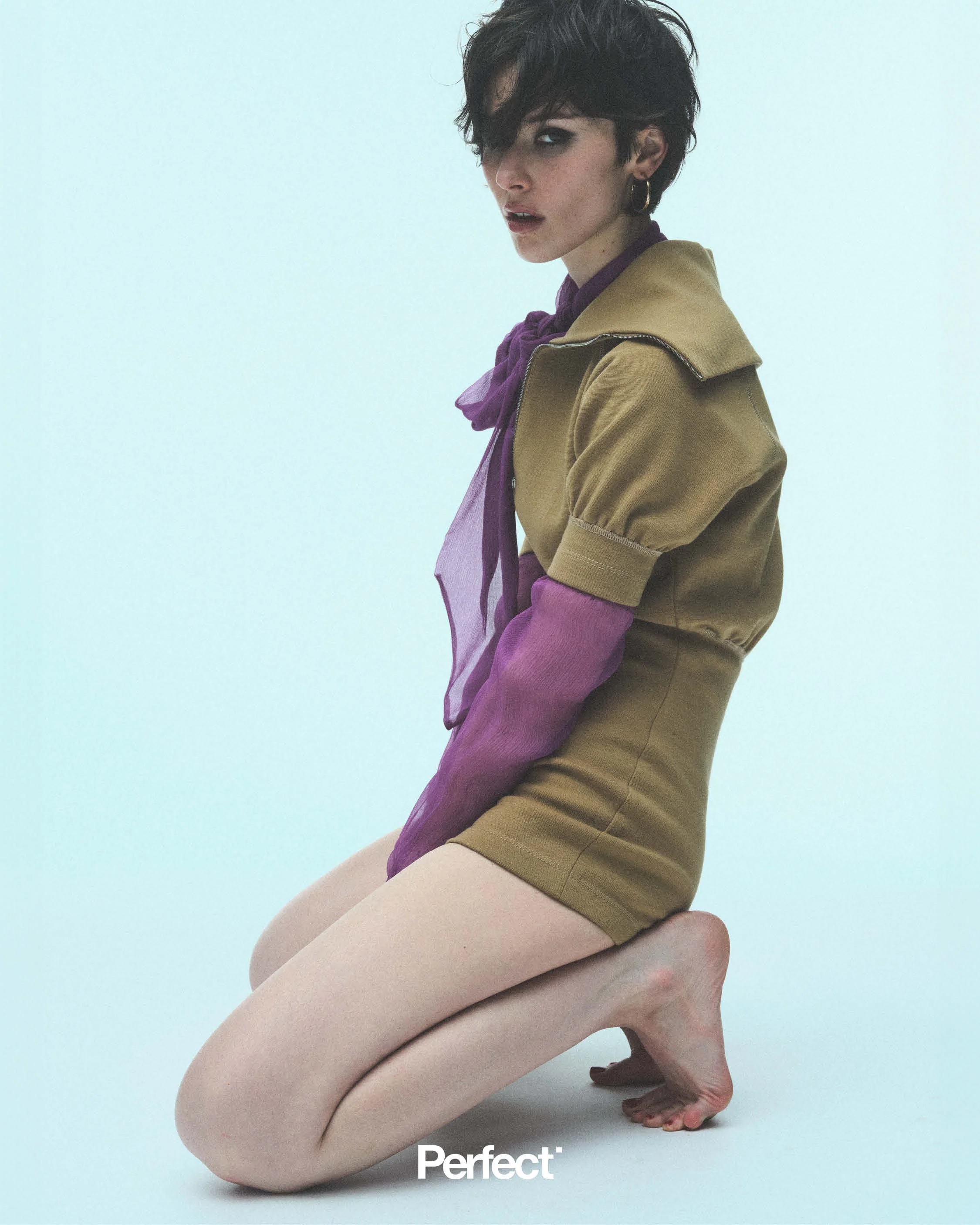
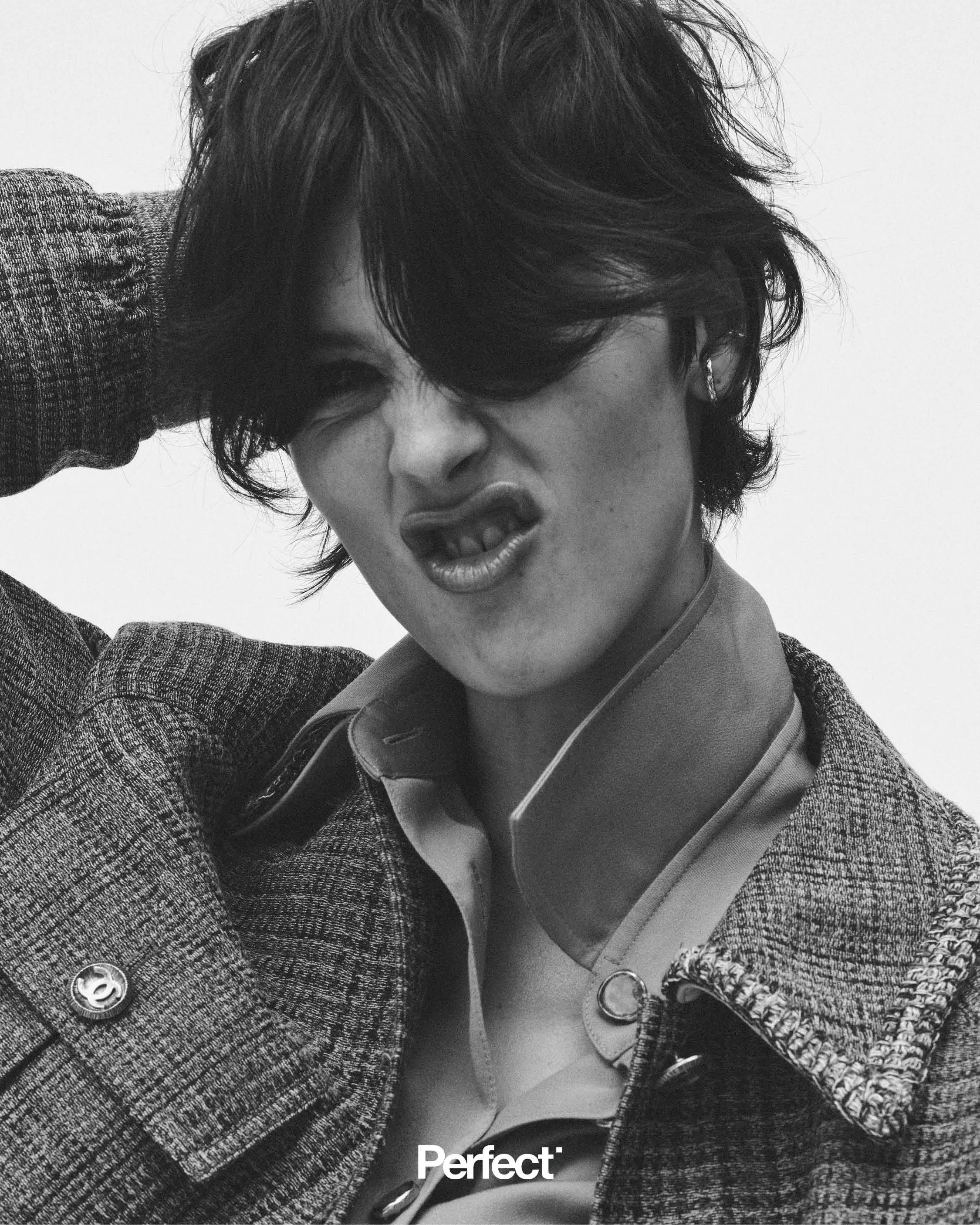
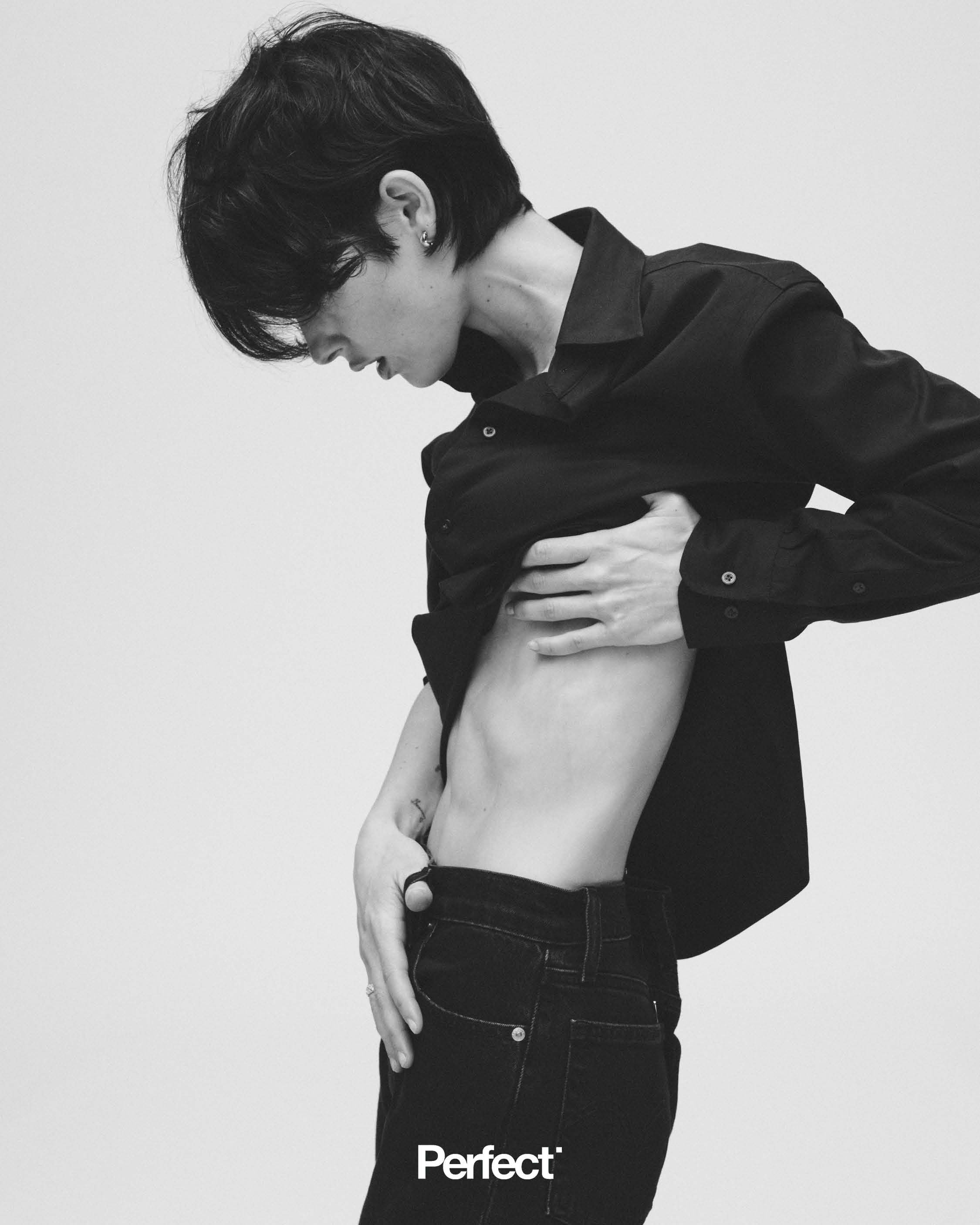


Chanel brought them into the same frame. In Coco Crush, the short film released by the house at the start of the year, the edit makes them look as if they are in the same space at the same time. When I ask about this, both of them giggle: ‘We weren’t even together,’ Gracie says. By the Met Gala, the frame had become real: they were seated together, and the New York blur became, as Gracie puts it, ‘a 48-hour hang’.
Gracie credits much of that atmosphere to Mathieu Blazy. ‘The magic of Chanel does come from the top down,’ she says. Around him are women with individuality, ease and self-knowledge: the sort of knowing you cannot fake.
Daughter from Hell is a title with teeth, but underneath it is an album about moving through your twenties with all the loneliness, self-scrutiny, transitions and emotional reckoning of that decade. It is about trying to turn the feelings you would rather hide from into something that makes both the artist and the listener feel less alone.
The title may look back at the chaos. But the songs point forwards, towards a Gracie Abrams who is no longer only writing from the wound, but from the strange, generous place where the wound starts to become light.