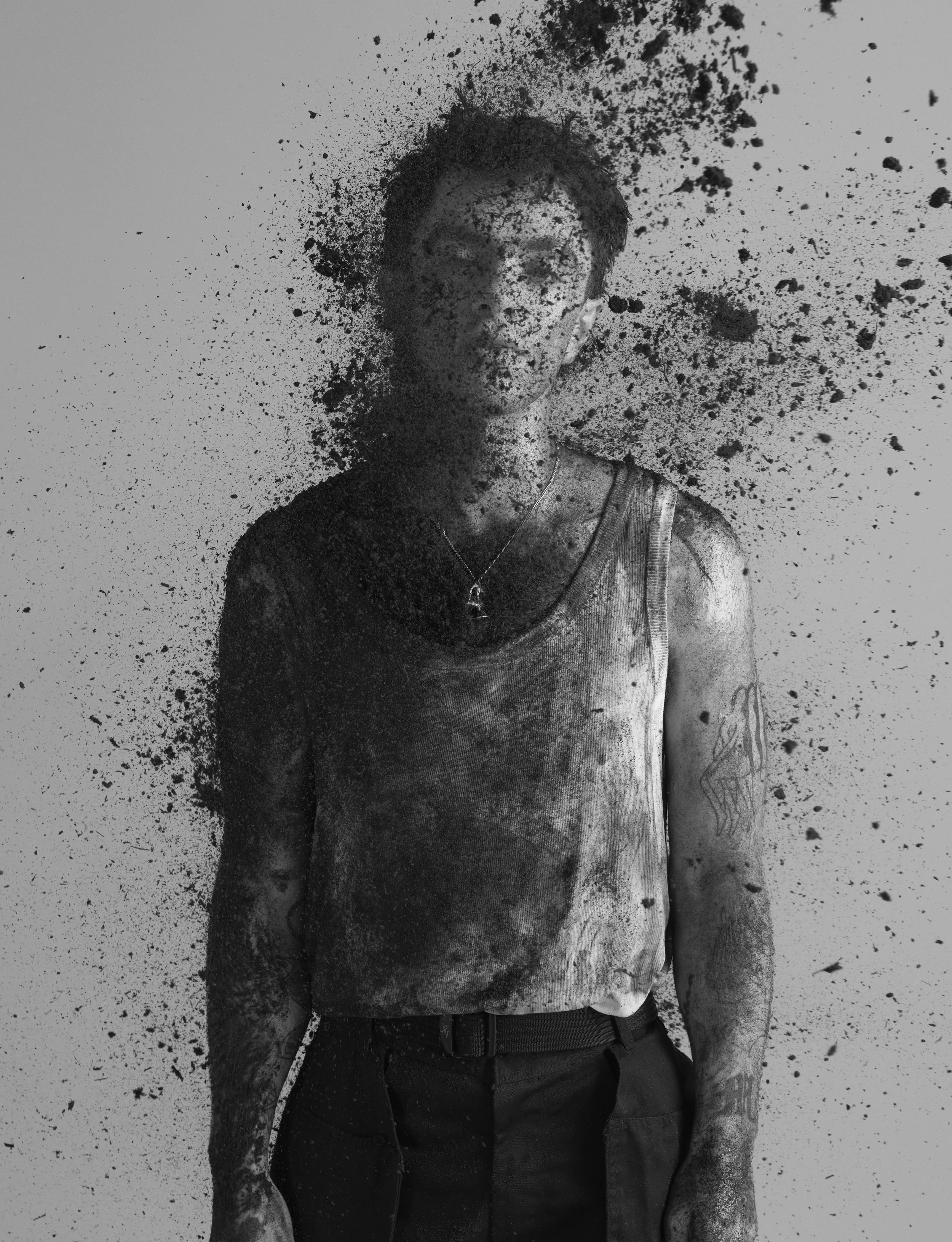
Aidan Zamiri for Perfect Issue 8.
Photographer: Sølve Sundsbø
Fashion Editor: Katie Grand
This in-demand image-maker has a peerless instinct for distilling everything that’s exciting about right now and packing it into pop culture.
As he entered the second half of last year, Aidan Zamiri was looking forward to finally taking some time off work. His back-to-back assignments for 2024 had included a campaign for H&M’s collab with Heron Preston, editorial for The Face, the video for Charli xcx’s ‘360’ and shooting Billie Eilish’s cover story for Rolling Stone. ‘It was August,’ he recalls. ‘I was back in London and I was like, “Oh, wow – I’ve been working a lot this year! I’m gonna relax a little bit.” And then Charli called me.’
Charli xcx was in a studio in LA recording her track ‘Guess’, a saucy celebration of underwear fetishism, with Billie Eilish. It was the end of the working day – ‘I think Billie had just left, having recorded her part of the song’ – so Charli’s call to Aidan came at three in the morning. But she had something to ask him that simply couldn’t wait. ‘She was like, “If we’re gonna do a video, it has to be out in a week and a half.”’ Aidan’s response was, ‘Well, that’s crazy.’ He then devoted his weekend to working on a treatment for it.
Confirmation that the track was being released as a single came through on Monday night. On Friday, Aidan was flown to LA and went straight to Charli, who was on set with David LaChapelle for a New York Magazine shoot, to discuss casting. On Saturday they went to the shoot location to map out the movement with the camera crew. ‘We shot it on Sunday, had a first edit by Monday, we graded it, finished it, and the video was out by Thursday.’
What makes this speedy turnaround even more astonishing is that Aidan and Charli had proposed a particularly ambitious treatment. The video features an out-of-control house party with over two dozen extras dancing and snogging, Billie Eilish smashing through the wall on a massive five-tonne tractor loader, streets where knickers rain down from the sky, and a finale where the two pop stars climb a six-metre-tall monument to underwear fixation that Aidan refers to as ‘Panty Mountain’. Organising the gathering of that much underwear alone in such a short space of time would have been a big ask, never mind the 150-strong cast and crew.
‘Yeah,’ Aidan grins, ‘it was so crazy that we managed to pull it off. But I think more than anything it was really… fun. Like, we had so much fun doing it. And then when it came out, it felt like this shot of adrenaline. It was like, “We just shot this on Sunday!”’
Turning a big idea around on such a tight deadline isn’t exactly unprecedented for Aidan. He cut his teeth making music videos for friends’ bands, on tiny budgets and without any formal training in filmmaking, as a side line to his day job as graphic design assistant, so he is full of initiative and ingenuity. But being able to preserve the agility and spontaneity of those lo-fi projects while working on this scale of operation is another matter altogether. Perhaps even more notable is the fact that such internationally high-profile artists are now so eager to place their public image in his hands. A week after the ‘Guess’ video dropped, Aidan got a text from Billie Eilish. ‘She was like, “Hey, do you know the song ‘Birds of a Feather’?” And I was like, “Er, yeah – like, the biggest song of the year!”’ Billie usually directs her own videos, but she wasn’t happy with what she’d created for this release; she trusted Aidan to get it right.
‘That was another really, really fast turnaround,’ says Aidan. ‘Again, we had less than a week to put it all together. But what was really sweet about doing that video with her was that she was, like, “I’m expressing it exactly how I wanted to express it” – which is of course the core of what I feel is important.’ ‘Birds of a Feather’, in which the singer is pulled by an invisible force through empty interiors while she sings her lament to a love grown cold, went on to become YouTube’s 19th most streamed pop video of 2024 with over 156 million views.

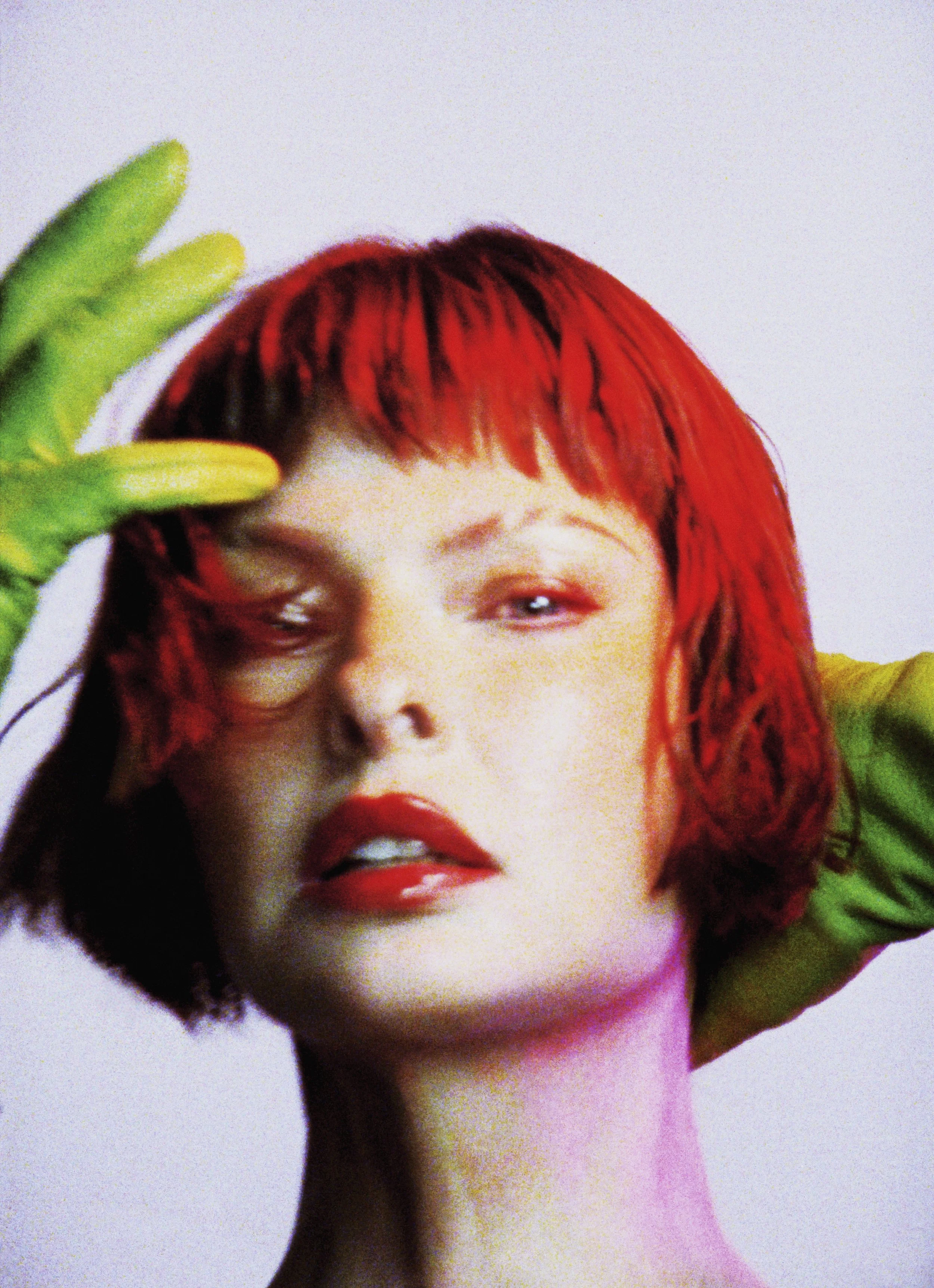
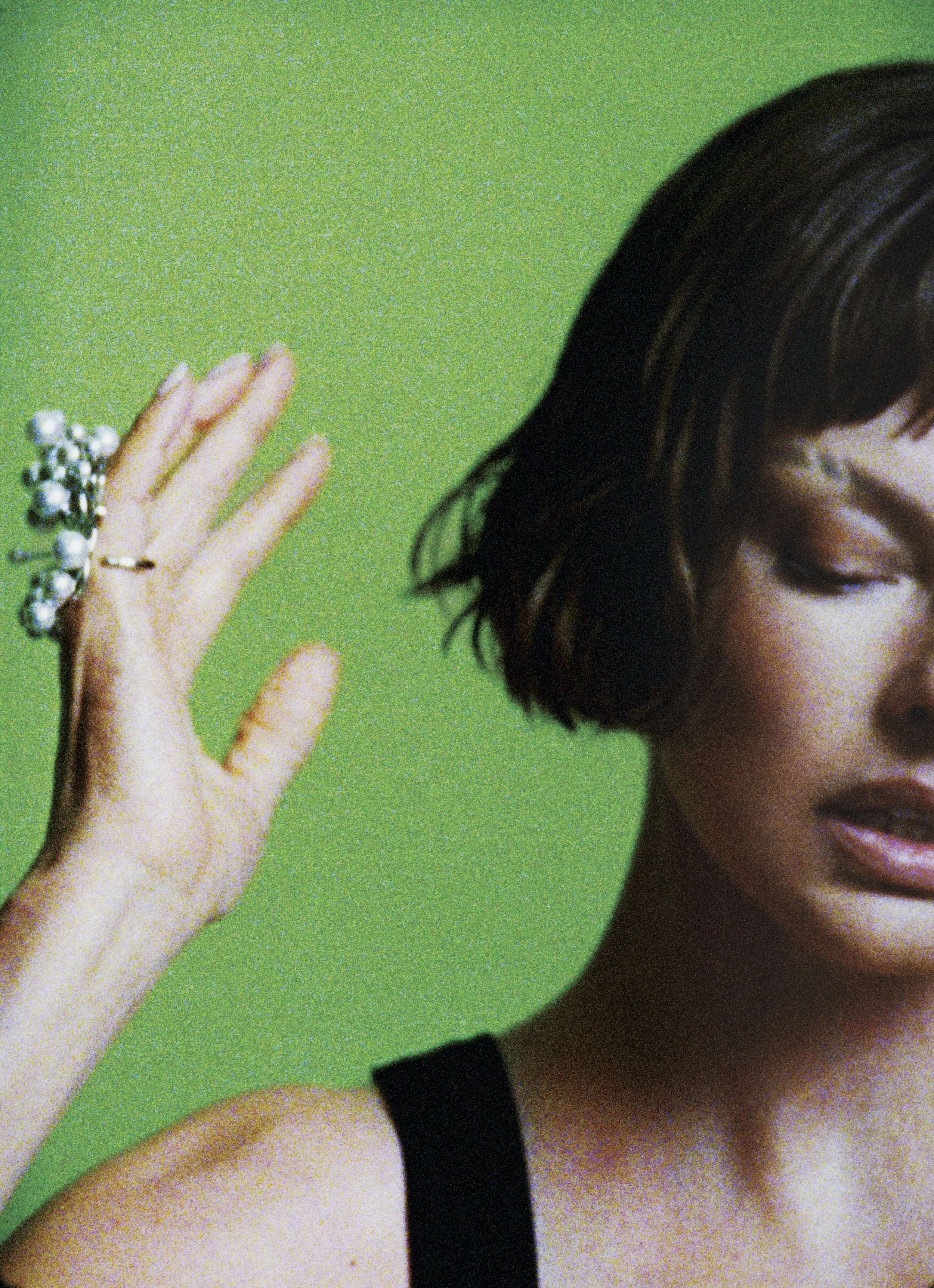
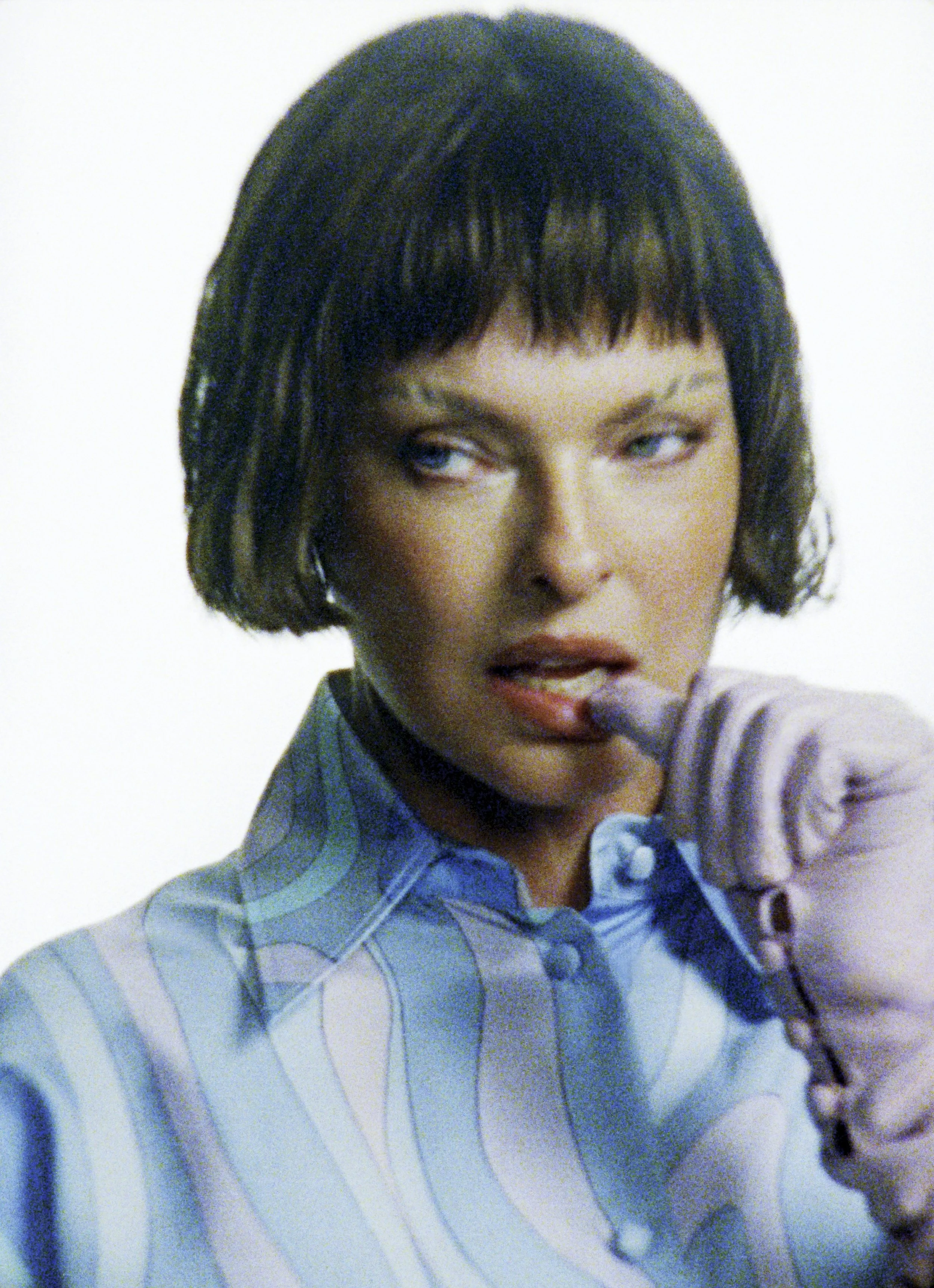
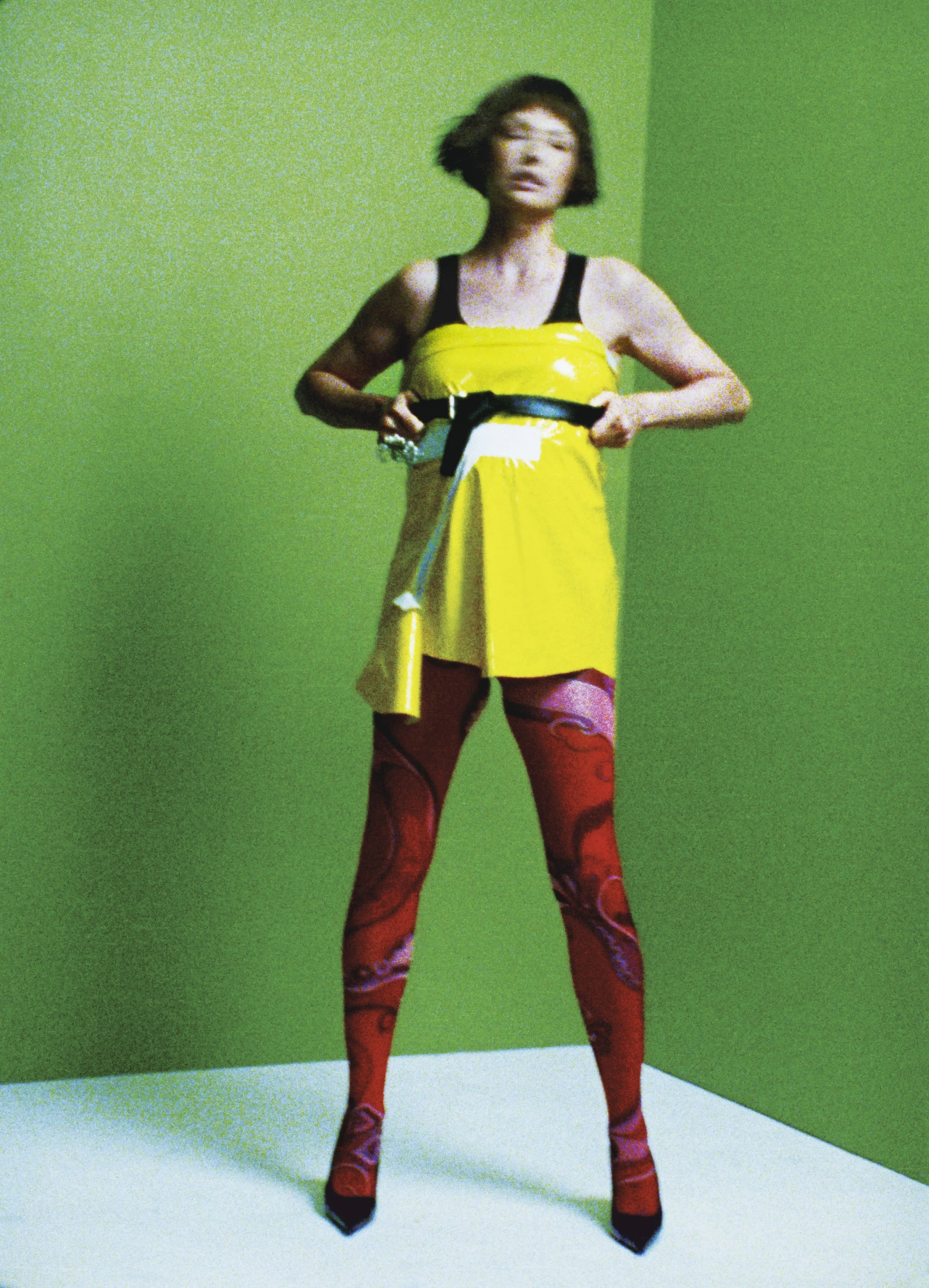
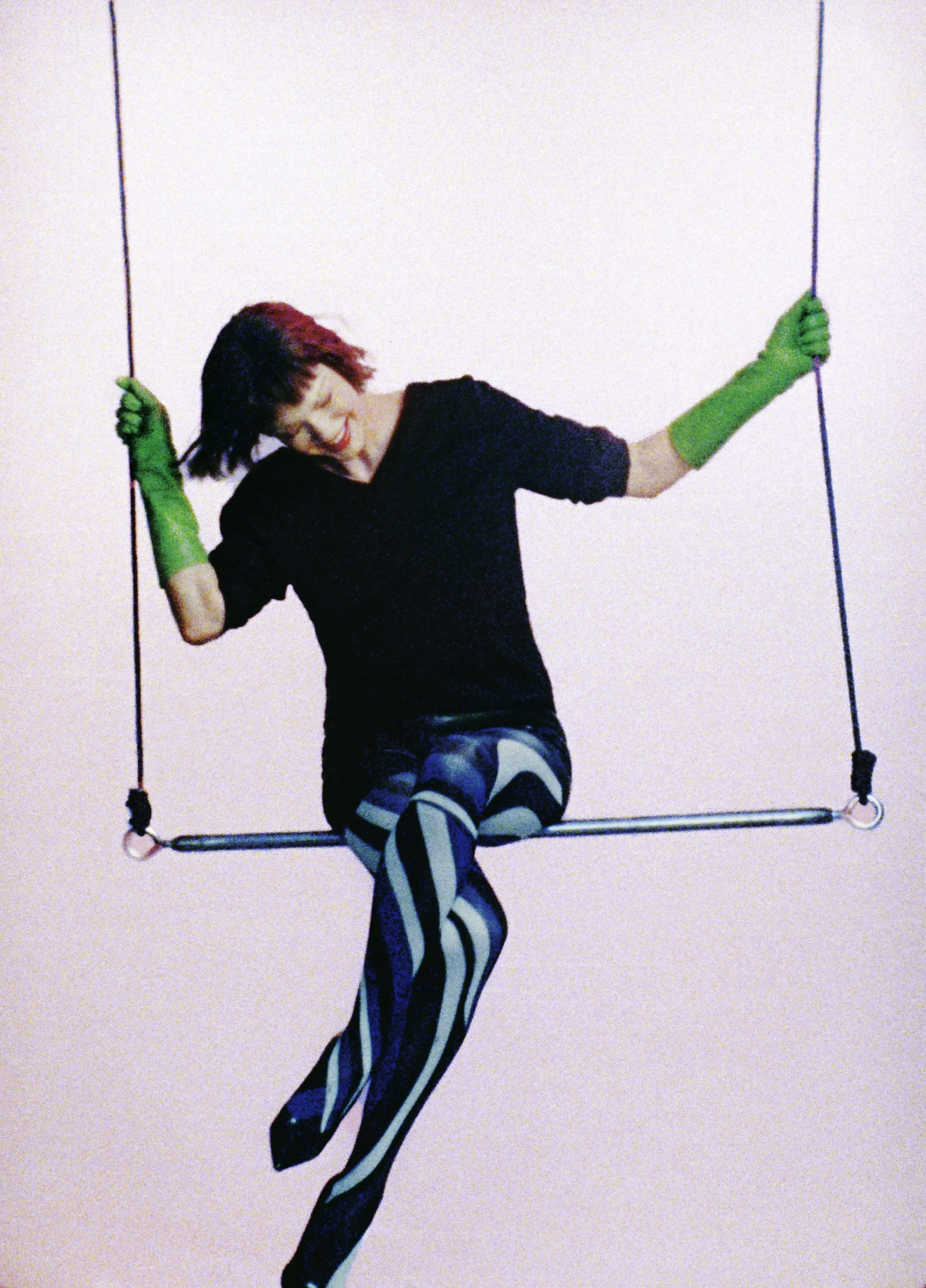
Linda Evangelista for Perfect Issue 8.
Photographer: Aidan Zamiri
Fashion Editor: Katie Grand
The year ended with another high-profile assignment for Aidan: the Timothée Chalamet cover shoot for December’s Rolling Stone. ‘That was one of the most enjoyable experiences ever,’ says Aidan. ‘Love him, love him so much. He’s incredible.’ The actor was so enthusiastic about the prospect of working with Aidan that he got in touch before they’d even met. ‘This doesn’t happen, honestly, ever, but he reached out two weeks before the shoot – I didn’t even know if I was confirmed for it yet – and texted me directly. It seemed like a scam text: “Hey, what up? This is Timothée Chalamet.” He wanted to discuss the shoot, so we spoke about it loads in the lead-up.’
Often on a job like this, the most a photographer can hope when the talent turns up is that they’ve seen the mood board and they’re willing to stick around for a few hours. ‘But this was the total polar opposite: Timmy had been involved in the mood board, we’d spoken about every reference together. So when he came in we knew exactly what we were doing. And he’d been the one to ask, like, “Hey, I know you’re busy, but do you want to do a second day of shooting?”’ So on day two they had a driver take them to locations around Manhattan. ‘We went to the apartment in the East Village that he used to live in.’ One shot shows Timothée in his old bedroom with a massive framed poster he’d put up of James Dean still on the wall. ‘It was really cool that it was so personal.’
Since that project, he has continued working with the actor; some of the results have already appeared on Timothée’s Instagram. When we meet, Aidan has just got back after spending several weeks with him in New York, long enough to give his Glasgow accent a Manhattan twang. ‘We’ve basically been shooting whenever possible. I think that my work has now become a lot about building relationships with specific people, studying artists and helping them find a story.’
You might think that record labels and film studios would want to shroud such stars – their most valuable commodities – with tiers of management hierarchy to preclude the risks that come with this sort of spontaneous creativity. ‘I'm sure that does still exist with a lot of artists,’ Aidan comments. But he doesn’t work with just anyone. ‘I tend to lean towards artists that I’m already a fan of, and I tend to be a fan of artists who are very much in control of their own project. That’s very much the case with Charli, with Billie, and with other musicians I’ve worked with, like Caroline Polachek and YoungLean and Twigs.’
The fact that he is so sincerely and unapologetically a fan of the people he chooses to work with is central to the way Aidan approaches his job. ‘Part of my role is to bring my own level of taste and things that I find interesting to it, and to help explore the story that they’re telling, while never trying to drown out their voice with my voice – because first and foremost I’m a fan, so I love understanding what it is they’re trying to do.’ At the same time, he thinks about the end result from the fans’ point of view. ‘What would we love to see? What would be cool? What do we want to know from them?’
If he’s such a fan, doesn’t that make working with these people intimidating? ‘Oh yeah,’ he says. ‘I’m always nervous meeting anyone I’m a fan of, because, you know…’ He puts on a squeaky little meek voice. ‘I hope you like me!’ There’s also that old adage about never meeting your heroes. ‘But I’m very fortunate that with everyone I’ve worked with, the relationship has actually made me enjoy them more as an artist. It’s funny, Charli was my number-one streamed artist of 2024.’ (It’s worth mentioning here that when he shot Linda Evangelista for this issue of Perfect, he had Charli’s era-defining album Brat playing in the studio. And when it was his own turn to be photographed, he asked for the Brat remix album as the soundtrack for the shoot.) ‘I was like, God, I really have become addicted.’
Aidan once remarked, in a talk he gave about his work a couple of years ago, ‘I’m doing something the teenage version of myself would have loved.’ It may sound like a flippant comment, but in fact it cuts to the heart of who he is as an image-maker. It was an adolescent obsession with pop culture – an experience common to many of us – that first fired up his enthusiasm for art; in his case, he has refused to let that flame die. ‘My main way into visual culture or making anything,’ he explains, ‘was by being a fan of musicians when I was a teenager, and the videos and imagery attached to them. Way before I ever knew anything about fashion or art, that was very much my way in. So I find that stuff extremely important. I feel a sense of responsibility about doing it correctly, doing something which feels truthful or poignant enough – I take that really seriously.’ More than anything, he reflects, this is the most intimidating aspect of working with people he’s a fan of: ‘I hope I’m doing it properly.’
Back then, in his early teens, Aidan’s taste encompassed everything from S Club 7 and Green Day to Black Eyed Peas and Lady Gaga. But Lana Del Rey was probably the figure he was most invested in. ‘I think it was because of how much of a world she created – the visuals are so much a part of what she’s done.’ He recalls printing out an image of her split across A4 sheets and tiling them in a grid on his bedroom wall to form a giant poster. There was a poster for Amélie up there too: it was the first film he remembers watching where he was aware of a specific aesthetic and colour palette, of a directorial point of view.
‘I think my work has now become a lot about building relationships with specific people, studying artists and helping them find a story.’
At school, remarkably, he didn’t study any art at all till he was 17, instead following the academic, scientific example of his older brother. ‘I chose one fun subject,’ he says: ‘music.’ Meanwhile, outside of school he was spending hours on his dad’s iMac playing with graphics software and editing short films on iMovie. ‘I was distracting myself with image-based stuff, in a very rudimentary way.’ As he approached his final year of high school, it became clear this was a passion he urgently needed to pursue in a more disciplined way. ‘It was a very-last minute decision. I remember going to the art teacher in my school and being like, “I need to do art – now.”’ Impressed by his determination and against all precedent, the teacher allowed him to join the Advanced Highers art class. Aidan then spent a year in the studios of Glasgow’s Tramway centre, which allowed him to experiment and assemble a portfolio for applications to art school. The centre also organised a trip to Derry for the Turner Prize exhibition in 2013, where he saw work by that year’s winner, video artist Laure Prouvost. ‘I was like, wow, you can do video as art! That really opened up so many ideas.’
He got into Central Saint Martins on the graphic design BA, but he soon realised he wasn’t as excited about fonts and layouts as his classmates. Working with set designers presented him with more enticing possibilities. ‘I assisted Gary Card, an amazing set designer, on shoots with Tim Walker, Miles Aldridge and Harley Weir. At the time, I didn’t have a frame of reference for who these people were. But I was like, whoa, look at this – you can do all this crazy stuff, and this is their job!’
His degree led to a job on a magazine as a design assistant. ‘But then slowly, friends of mine who were in bands, they’d have 200 quid to make a music video, and they’d be like, “Do you know anyone who can do that?” I thought, “Maybe I can.”’ Without really planning it, he had become a director. His videos started getting noticed, more acts approached him, and before long he was getting requests from fashion students at Central Saint Martins. ‘I made a video with my friend Randa [Kherba] for her final-year BA collection, this funny video in the CSM studios against a green screen. Someone from Nike saw it and reached out: “Can you do that for us?”’ This was his first proper commercial commission, earning him way more than what his day job brought in each month. ‘So I thought, maybe this is what I should do.’ His list of clients expanded beyond music (Dream Wife, Jockstrap, PinkPantheress, Shygirl) to fashion (Loewe, Westwood, Kiko Kostadinov; in 2019 he served as Victoria Beckham’s personal videographer, and he still shoots for his partner, Paolina Russo). It was only after he signed to the creative agency Object & Animal in 2020 that he started taking stills.
Now, five short years later, he’s one of the most significant image-makers of his generation, collaborating with some of the most powerful pop icons in the world. Does he ever stop to consider the impact of his recent work on his own profile? ‘Yeah. It’s something that I’ve started to find kind of overwhelming, actually. This time last year, if you were in a very, very specific niche of alternative pop music in London, then you might know who I am.’ It’s a different story now. ‘It’s not like people are stopping me in the street or anything!’ he laughs, but there’s no denying that as the audience for his work has expanded, so his professional standing has soared with dizzying speed. ‘It was a surprising shift. I would say this past year has been particularly propulsive and extreme, to the point where any time I come back to London and get to my flat, I almost get a feeling of whiplash from it. It’s really fun and I’m really enjoying all of it. But it does require a bit of, like… recentring, yeah.’
Only two years before, he had found himself questioning whether his career was even going anywhere. ‘I’d obviously done a lot of work that I was really proud of. In terms of creative satisfaction, I was enjoying what I was doing.’ But professionally he wondered if he had any future, worrying that the broad range of his output – music and fashion, stills and film – made him a confusing proposition to prospective clients. ‘A lot of photographers or directors go down a specific route, which is often a very successful way to work. Focusing on one thing is often the best thing to do.’
But at the start of 2024 he made up his mind to stop worrying about sensible career options and stick to his guns creatively. ‘The only thing I can do, the only thing I can know for sure, is whether I find [a project] cool or interesting or I like it personally; to keep that at the front of my mind and follow that instinct.’ His success in the year that followed appears to have proven the effectiveness of this commitment. Now whatever job he takes on, he is grounded in the authenticity of his own fannish enthusiasm for it. As a consequence, even when he’s working with huge stars, ‘I don’t feel out of my depth. Even if I’m outside of my comfort zone or doing stuff that feels new to me, I feel pretty solid in my opinion now – something I didn’t feel a couple years ago.’
One word that comes up several times in our conversation, a word he uses to describe the artists he most admires, it ‘timely’. ‘I’ve never thought too much about the “timelessness” of an artist,’ he comments. ‘I think that’s why I love Brat so much.’ (I think he’s talking about the album here, but significantly he could equally be referring to the broader pop-culture phenomenon, such was the transcendent power of that word last summer, making news headlines, influencing the US presidential campaign and becoming the Collins Dictionary Word of the Year for ‘resonating with people globally’.) ‘I think it’s really cool,’ Aidan continues, ‘when an artist releases something which can only be released right then and there.’ It’s his obsession with this idea of right now, I think, that makes certain canny artists so keen to work with him. They maybe sense in him an ability to crystallise the zeitgeist, which allows him to refract their work, image and social meaning through an acutely contemporary prism.
To create art that sums up the moment so wholly that it becomes the moment – which Brat did so decisively – that’s surely the goal of anyone working in pop culture, right? ‘Exactly! It’s responsive, it’s reactive; it’s also informative of that time. It’s something that I always think about. I really, really care about the context of when something’s coming out.’ One of the reasons there’s so much variety in his output, he notes, is because ‘every time I’m approached to work on something, I really am thinking about what has happened already and what it means for right now.’
‘The only thing I can do, the only thing I can know for sure, is whether I find [a project] cool or interesting or I like it personally; to keep that at the front of my mind and follow that instinct.’
A case in point is shooting Linda Evangelista for this issue of Perfect under dramatic, brightly coloured lighting. ‘What was really cool,’ he recalls, ‘is that Linda said she’d never been lit like that before.’ This was literally the purpose of the project: to present her in a new light. ‘We weren’t trying to do something that felt evocative of her past – because I think in doing that, you’re often confining someone to that.’ In a nod to his own high-school days, the make-up artist Marcelo Gutierrez even shaved lines into her left eyebrow (Aidan got one on set too). ‘I think Linda loved the idea of doing something that felt current and extremely timely.’ It was, he comments, maybe uncharted territory for her aesthetically. ‘Obviously I was a little nervous. You always have that in the back of your mind: oh God, she’s shot with all these heroes of photography. But it felt like an example of understanding what she’s done and who she is, while giving something completely fresh.’
On the subject of right now and what that means for Aidan – personally, rather than culturally – he finally has some time off. But he’s not resting: he’s working on script ideas with his friend, the writer Bertie Brandes. ‘For a while I’ve been planning on moving into more narrative work,’ he says. The nature of the project is ‘all very unknown at the moment’, although he has spoken previously of wanting to direct a feature film one day.
What inspired him to finally start writing was his experience of directing the video for Charli xcx’s ‘360’ last spring. ‘It’s an eight-minute video and half of it is dialogue – which goes against the guidelines of what record labels often want: start the track within the first second.’ But Charli follows her own path, of course – it’s why he’s such a fan. ‘She understood the value of adding that narrative sequence at the start of “360”, because the intention of that video was to set the tone for what Brat was going to be.’
The likes of Julia Fox, Rachel Sennott and Chloe Cherry had already signed up for the video that would kick-start brat girl summer. ‘Charli and I were like, oh, it’d be a shame to have these amazing acting talents and not utilise them. And I was like, well, I guess we need a script.’ Aidan had written for commercials before, ‘but only small pieces of dialogue – this was the first proper script I’ve ever written.’ On the day of the shoot he went into Charli’s trailer where the actors were assembled, and sheepishly handed out print-outs of his text. ‘I was like, “Oh God, don’t look at this – I’m so sorry!”’
But, in an experience that calls back to the way he fell into directing, it turns out he’s very good at writing too. ‘We did a read-through and everyone was laughing. It was the most satisfying thing I think I’ve ever felt. And it made me feel, OK, cool – I really want to explore this further.’